
People often assume that car accident injuries are sudden and noticeable at the time of the collision, but that’s not always the case. Pain and other symptoms can develop days, weeks, or months after the incident. Sometimes, the root of these issues is pinched nerves, which can cause mild to severe symptoms that can affect your quality of life.
At Quantum Physical Therapy & Chiropractic Care, PLLC, we provide physical therapy in New York, an effective, noninvasive treatment for pinched nerves. Consult our guide below to learn more about this condition and how it could manifest after an auto collision.
Pinched Nerves vs. Compressed Nerves: What’s the Difference?
As the name suggests, a pinched nerve, or radiculopathy, refers to excessive pressure put on a nerve by the soft tissues surrounding it. Tendons, bones, muscles, and cartilage can also cause the issue, and it can affect any part of the body. After a car accident, people often complain of back or neck pain, which can be due to radiculopathy in part or in whole.
According to StatPearls, up to 40% of workplace absences occur due to people with a history of neck pain. StatPearls also reports that a lifetime prevalence of lower back pain may range from 60% to 90% due to various causes, including trauma.
So, what’s the difference between pinched and compressed nerves? There isn’t a difference; both terms refer to the same condition. If you have the condition, you may experience pinpoint or radiating pain, as well as:
- Stiffness
- Tingling or warmth
- Weakness
- Numbness
- Limited mobility
- The sensation of pins and needles in your extremities
What Causes Pinched Nerves?
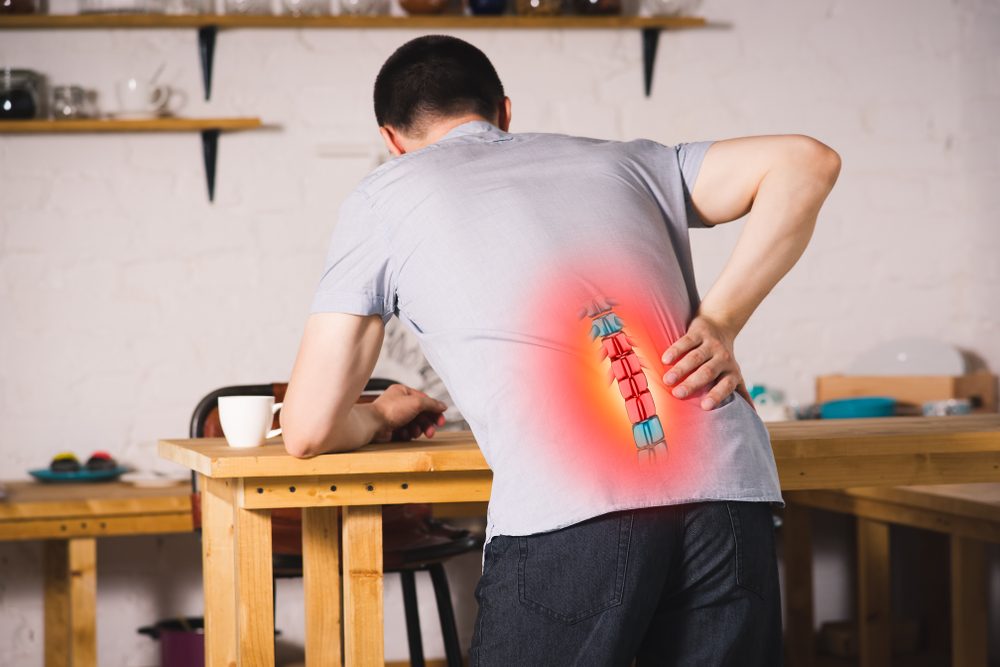
Physical traumas that put excessive pressure on a nerve can lead to nerve compression. For instance, whiplash from a rear-end collision can cause the condition. The impact can force the head and neck to jerk back and forth violently, leading to compressed nerves and localized swelling.
Pressure can also accumulate due to medical conditions, like sciatica. Sciatica typically develops due to damaged or degenerative spinal discs.
Broken bones can also trigger the condition, specifically if the bone is part of the rib cage, spine, or shoulders. A dislocated bone can press up against a nearby nerve.
How Medical Professionals Diagnose Nerve Compression
Diagnosis of a pinched nerve requires the expertise of a healthcare professional for treatment and recovery. After taking your medical history, discussing your symptoms, and reviewing the auto collision incident, the medical professional may order tests to determine the root of your condition:
- X-rays: This diagnostic imaging can show the position of your bones, which can help pinpoint a possible pinched nerve if the imaging shows unusual narrowing.
- Spinal tap: To check for inflammation, the doctor may request a sample of spinal fluid for testing.
- MRI scan: This imaging will show your internal structures and soft tissues in more detail than an X-ray, which may be helpful in identifying nerve root compression.
- Nerve conduction study: Your physician may order this test, which measures the electrical nerve impulses in your muscles. It’s an effective way to identify nerve damage.
Physical Therapy’s Role in Pinched Nerve Compression Following an Auto Collision
According to a 2024 YouGov survey with over 1,000 participants, about 86% of respondents who have undergone physical therapy at some point in their lives say the treatment was helpful. This kind of treatment is often necessary for recovery after a car accident.
A customized physical therapy treatment plan that accounts for a patient’s age, general health, weight, and injury can help with pinched nerves. Although targeted exercises, stretches, and manual therapies can provide relief from inflammation and lessen pain, these are not the only benefits the treatment offers.
Through physical therapy, you can stretch and strengthen muscles around the affected area, improving your mobility and flexibility. Having stronger muscles can help you avoid future injuries and improve your posture.
Other Ways To Treat Car Accident Injuries
Patient education plays a significant role in pinched nerve recovery. After assessing and diagnosing your condition, your physical therapist will tell you how you can improve your injuries and avoid secondary trauma. They may recommend lifestyle changes as part of your treatment to enhance your quality of life.
Medication may also be necessary for pain relief. Nonsteroidal anti-inflammatory drugs can reduce pain and inflammation, and anti-seizure medications like gabapentin sometimes help with nerve-related pain.
Look No Further than Quantum Physical Therapy & Chiropractic Care, PLLC, for New York Physical Therapy

You don’t have to live with the pain of a pinched nerve from a car accident. At Quantum Physical Therapy & Chiropractic Care, PLLC, we offer diagnostic imaging, personalized treatments, and comprehensive chiropractic care and physical therapy solutions. In addition to our specialized clinical care, we provide high-quality patient care to all patients.
Our doctors accept most insurance plans, including workers’ compensation, no-fault, and PIP (personal injury protection). Same-day appointments may be available.
When you’re ready for treatment after reviewing the reasons to consider physical therapy, contact Quantum Physical Therapy & Chiropractic Care, PLLC, at (631) 591-2293 to request an appointment for New York physical therapy.
Frequently Asked Questions About Pinched Nerves
Learn more about physical therapy and pinched nerves with our answers to common questions.
How Long Do Pinched Nerves Last?
How long pinched nerves last depends on the severity of the case. It could take a few days to 12 weeks or longer to recover from radiculopathy.
Is Physical Therapy the Right Treatment for Pinched Nerves?
Physical therapy is a practical, noninvasive approach to provide inflammation relief and reduce other neurological symptoms.
What Exercises Are Ideal if I Have a Pinched Nerve?
Low-impact aerobic exercises are often beneficial for relieving pain and discomfort associated with pinched nerves, such as swimming, walking, and cycling. These movements increase blood flow to the irritated or compressed nerve, which aids in healing.
What Should I Avoid Doing if I Have Compressed Nerves?
If you have a compressed nerve, it’s best to avoid having a sedentary lifestyle, as improved blood circulation from regular movement can facilitate healing. It’s also important to get quality sleep, avoid repetitive or sudden movements, and maintain proper posture.