
Why Early Physical Therapy Is Crucial After a Car Accident

Getting into a car accident can leave your body shaken in ways that aren’t always obvious. Adrenaline masks pain, and many symptoms surface only days later. At Quantum Physical Therapy & Chiropractic Care, the clinical team sees this pattern regularly and understands why acting quickly makes all the difference. If you need physical therapy after a car accident in New York, starting care early is one of the most important decisions you can make for your long-term health. Why Starting Physical Therapy After Car Accidents Sooner Matters More Than You Think A car accident subjects your body to sudden, intense force. Even before you notice pain, your nervous system responds with inflammation and muscle spasms. These protective responses can become patterns your body adopts as its new normal when they go unaddressed. The urgency of early care is well supported by data. The National Safety Council reports that motor vehicle injuries generated over 5.1 million medically consulted cases in 2023 alone. Research published in JAMA Internal Medicine found that early physical therapy significantly reduced long-term opioid use across patients with neck, shoulder, knee, and low back pain. A peer-reviewed study in PMC confirms that whiplash, the most common collision injury, affects up to 83% of patients involved in crashes and represents a leading cause of chronic disability when left untreated. Delaying treatment gives stiffness and weakness time to take hold. Joints lose range of motion quickly when you stop moving naturally. Core and neck stabilizer muscles weaken within weeks, causing other tissues to overwork and leading to ongoing pain. Starting physical therapy shortly after the event keeps you on the lower end of the recovery timeline after car accidents and reduces the risk that acute pain becomes chronic. What Injuries Does Physical Therapy After a Car Accident Actually Address? Many common collision injuries involve soft tissue injury treatment, affecting muscles, ligaments, tendons, and connective tissues rather than bones. These injuries don’t always appear in initial imaging, which is why people often underestimate them. Whiplash-associated disorders rank among the most frequent post-collision diagnoses and often come with neck pain and stiffness. Other common injuries that physical therapy addresses include: Thoracic and lumbar sprain-strain injuries Rotator cuff irritation Hip strain Post-traumatic headaches Skilled therapists address each through manual therapy and progressive strengthening and flexibility exercises matched to your needs. How a Personalized Treatment Plan Guides You Through Each Stage of Healing No two accidents are alike, and personalized treatment plans account for multiple factors, including: Symptom irritability Fitness level Job demands Prior injury history How the nervous system has responded to the trauma, including sleep disruption or heightened sensitivity to movement During therapy, weeks one and two focus on reducing pain and restoring comfortable motion through exercises, breathing mechanics, and isometrics. Weeks two through six shift toward progressive strengthening and graded exposure to avoided movements. Beyond six weeks, care focuses on higher-level activities and habits that prevent reinjury. One often-overlooked factor in recovery speed is the consistency of performing at-home exercises. Your therapist will design a between-sessions routine specifically for your injury and stage of healing. Patients who follow through with these routines tend to reach their functional goals faster and require fewer total visits. Think of it as extending your treatment time without adding appointments. Understanding Pain Management and Mobility Restoration During Recovery Progress with pain management and mobility restoration rarely follows a straight line, but signs of improvement usually arrive steadily: Flares grow smaller Range of motion expands Sleep improves Activities like driving or reaching overhead become more comfortable In addition to manual therapy and guided exercises, physical therapy supports healing through modalities like ultrasound or electrical stimulation. These approaches help reduce pain naturally by improving blood flow to healing tissues and reducing the risk of nervous system sensitization. What New York Physical Therapy Patients Should Know Before Starting Care New York physical therapy patients benefit from important state-specific realities. New York’s no-fault insurance regulations cover medical care, including physical therapy, up to $50,000 regardless of fault. The insurer must receive notice within 30 days, and starting care early protects your claim as well as your recovery. New York allows direct access to physical therapy without a physician referral for an initial window, though requirements vary, and clinics experienced with motor vehicle cases handle paperwork daily. Connect With Quantum Physical Therapy & Chiropractic Care To Start Your Recovery Today Choosing the right physical therapist after a car accident sets the tone for everything that follows. Working with experienced providers means you receive a clear diagnosis and a plan that adapts as you progress. If you need physical therapy after a car accident, Quantum Physical Therapy & Chiropractic Care offers compassionate, expert care at multiple convenient locations across the New York metro area. Reach out to us today and take the first step toward a full, lasting recovery. Our doctors accept most insurance plans, including workers’ compensation, no-fault, and PIP (personal injury protection). Same-day appointments may be available. Frequently Asked Questions About Physical Therapy After a Car Accident Here are some answers to common questions we receive about physical therapy for injuries from auto accidents. What Should I Bring to My First Physical Therapy Appointment? When you come to your first physical therapy appointment, bring: Your insurance card Accident documentation Any imaging results A list of current symptoms Your medications This information helps your therapist conduct an accurate initial evaluation and begin building your individualized treatment plan right away. How Does Physical Therapy After Car Accidents Differ From Chiropractic Care? Physical therapists rebuild movement, strength, and function through exercise and manual techniques. Chiropractors focus on spinal alignment and joint manipulation. Both treat collision injuries well, and many patients benefit from a coordinated plan combining the two. When Is It Too Late To Start Physical Therapy After an Accident? While earlier treatments are better, physical therapy remains beneficial weeks or months after an auto collision. Starting late is far more effective than skipping treatment, and therapists can still address stiffness and
Workplace Back Injury Rehab in New York: How Physical Therapy Restores Strength and Mobility

Back pain is one of the most debilitating conditions, especially when it stems from a work-related injury. A back injury on the job affects more than just your comfort, it interferes with daily tasks, disrupts sleep, and often leads to missed work and lost income. Daily tasks become harder, sleep suffers, and, worst of all, you miss work. Many workers deal with missed paychecks, job restrictions, and uncertainty about when they’ll return. Many people turn to back surgery because they want relief. Unfortunately, surgery often comes with long recovery timelines and a dependence on prescription medication to control pain during healing. Even after months of recovery, many still feel limited or unsure about returning to work. Physical therapy for back pain offers a less invasive and easier-to-manage approach after a work-related injury. Instead of focusing on one structure, physical therapy addresses how the spine, muscles, and joints work together during the movements you perform at work. In this blog post, you’ll learn what causes workplace back injuries, how physical therapists guide recovery, and how physical therapy compares to surgery. If you’re ready to manage pain in a noninvasive and practical way, schedule a physical therapy session in New York with Quantum Physical Therapy & Chiropractic Care and take the next step toward recovery. Common Types of Work-Related Back Injuries According to the U.S. Bureau of Labor Statistics, back injuries account for 38.5% of all work-related injuries. Many people assume construction or warehouse workers experience the most back injuries, but nursing assistants consistently rank among the highest due to repetitive lifting, bending, and patient handling. At Quantum Physical Therapy & Chiropractic Care, patients from many industries come in for back injury rehabilitation. Below are some of the most common injuries that lead to back pain: Muscle strain: Sudden lifting, twisting, or overexertion overloads muscle tissue and triggers inflammation and spasms. Herniated or bulging discs: Repetitive stress or awkward movements push spinal discs out of alignment and irritate nearby nerves. Ligament sprains: Falls or sudden movements overstretch spinal ligaments and reduce joint stability. Repetitive motion injuries: Daily bending, lifting, or poor posture places repeated stress on the spine until pain develops. Impact injuries: Slips and workplace falls compress the spine and disrupt normal movement patterns. To learn more about injury trends in different professions, visit the U.S. Bureau of Labor Statistics website for detailed workplace injury data. Does physical therapy help back injuries without pain meds? Physical therapy is a drug-free, surgery-free treatment option that helps workers regain function and return to their jobs safely. Treatment avoids drugs and surgery while focusing on restoring movement and strength. When you visit Quantum Physical Therapy & Chiropractic Care, your doctor builds personalized treatment plans based on your pain level, job demands, recovery goals, and movement limitations. As your condition improves, your therapist updates your plan to track progress in a clear and measurable way. The sections below explain how physical therapists support workplace injury recovery. Narcotic-Free Pain Management Techniques You might think that if you’ve never struggled with addiction, you’re safe from the risks that come with prescription pain medication. However, according to the American Society of Anesthesiologists, more than one in five opioid-naive patients still use opioids three months after surgery. Physical therapists use hands-on care and targeted modalities to reduce inflammation and calm irritated tissue. Manual therapy, soft tissue work, and controlled movement help reduce pain without masking symptoms or relying on narcotics. Therapeutic Exercise and Movement Training Rebuilding spinal support is crucial after injury. Our therapists guide you through exercises designed to: Strengthen weakened muscles Improve posture Correct movement patterns Boost endurance for job related tasks This active approach helps your body handle work demands better, reducing the risk of reinjury. Improving Strength and Mobility We focus on restoring joint mobility and rebuilding spinal strength to prepare you for a safe return to work. Better movement equals better job performance with less pain. Why Choose Physical Therapy Instead of Surgery? While surgery may be necessary in rare cases, most work-related back injuries respond well to conservative care. For example, spinal fusion recovery can take 6 months or longer, according to the Hospital for Special Surgery. Physical therapy offers several advantages: Lower risk: No surgical complications or anesthesia Faster return to work: Modified duties often allowed during treatment Active recovery: Promotes movement instead of immobilization Injury prevention: Teaches safe lifting and spinal protection Lower cost: Far less expensive than surgery and post-op rehab If you want to explore recovery options that prioritize movement and independence, reach out for an evaluation. Book Your Workplace Back Injury Rehab in New York with Quantum At Quantum Physical Therapy & Chiropractic Care, we help workers recover from back injuries with evidence-based treatment plans. Our goal is not just pain relief but getting you back to work with stronger movement patterns, better posture, and lasting protection against future injuries. We accept most insurance, including workers’ compensation, no-fault, and PIP (personal injury protection), and same-day appointments are available. If your injury occurred at work and affects more than your back, read our other blog post on physical therapy for work injuries. You’ll learn how providers address flexibility, range of motion, strength rebuilding, work conditioning, and injury prevention. Call now or schedule online to book your back injury physical therapy session in New York today. Frequently Asked Questions How long does workplace back injury rehab take? It depends on the injury severity and job duties. Many patients see improvement in a few weeks, with continued gains over time. Can I keep working while doing physical therapy? Yes. We coordinate care with your employer when possible to support modified work duties during treatment. Does physical therapy prevent future back injuries? Absolutely. By improving posture, spinal strength, and movement patterns, physical therapy helps protect your back long after recovery.
Delayed Pain After a Car Accident: How Chiropractors Uncover the Real Cause

You feel fine immediately after the collision, so you decline medical attention and head home. Days later, you wake up with neck stiffness, back pain, or headaches that won’t go away. This delayed pain after a car accident happens to many people every year, and it often signals hidden injuries that need professional evaluation from an auto accident chiropractor in New York. In this guide, our car accident chiropractors at Quantum Physical Therapy & Chiropractic Care, PLLC, explain why pain develops days after a crash and how chiropractic care uncovers the real cause of your discomfort. Why Pain Doesn’t Show Up Right Away Your body releases adrenaline and endorphins immediately after a car accident. These stress hormones mask pain signals to help you stay alert during the emergency. Once the hormones wear off within 24 to 72 hours, inflammation sets in, and pain finally reaches your brain. Soft tissue injuries like muscle strains and ligament tears also take time to swell. As your immune system sends fluid to the injured area, pressure builds on the surrounding nerves. Common Delayed Injuries After a Car Crash Recognizing the signs of these delayed injuries is key to avoiding long-term complications: Whiplash A sudden back-and-forth movement of the head can strain muscles, ligaments, and nerves in the neck. Whiplash often causes: Neck stiffness Limited range of motion Headaches radiating from the base of the skull Spinal Misalignment and Back Pain Even low-speed collisions can misalign vertebrae or injure spinal discs. Symptoms may include: Lower back soreness Sharp pain when bending or twisting Discomfort during prolonged sitting Headaches and Mild Concussion Persistent headaches might result from whiplash, nerve compression, or even a mild traumatic brain injury (TBI). Many head injuries go undiagnosed in the early days after an accident, which is why timely evaluation is crucial. Numbness and Tingling A tingling sensation or numbness in your arms or legs can indicate nerve irritation or compression from spinal misalignment. Left untreated, this may lead to chronic nerve damage. How Chiropractors Detect Hidden Injuries An auto accident chiropractor uses specialized techniques to find injuries that traditional medical exams might miss. Chiropractic focuses on the relationship between your spine and nervous system, making it particularly effective for diagnosing injuries after a car accident. The Initial Consultation and Health History Review Your chiropractor will ask detailed questions about the accident, when symptoms started, and how the pain affects your daily activities. This information helps identify patterns that point to specific types of soft tissue damage. Physical and Neurological Examination Your chiropractor will conduct an exam to measure your range of motion, muscle strength, and reflexes. They will palpate your spine to locate areas of tenderness or misalignment. Diagnostic Imaging When Necessary X-rays help visualize bone alignment and rule out fractures. In some cases, your chiropractor may recommend MRI or CT scans to evaluate soft tissue damage. Chiropractic care can be part of a broader treatment plan. In some cases, we coordinate with physicians, neurologists, or orthopedists to ensure comprehensive care. Chiropractic Treatments for Post-Accident Pain According to the American Chiropractic Association, over 35 million adults and children in the United States receive treatment from chiropractors annually, many of whom seek care after motor vehicle accidents. Once your chiropractor identifies the underlying cause, treatment focuses on reducing inflammation, restoring proper alignment, and preventing chronic pain. Spinal Adjustments Gentle adjustments reposition misaligned vertebrae to relieve nerve pressure and improve joint mobility. This technique addresses the root cause of your pain rather than just masking symptoms. Soft Tissue Therapy Techniques like massage, trigger point therapy, and myofascial release break up scar tissue and relax tight muscles. This approach promotes healing by increasing blood flow to injured areas. Corrective Exercises and Stretches Recovery with help from a car accident chiropractor isn’t a one-visit solution. Your treatment plan evolves as your body heals, with each session tailored to your current symptoms. Your chiropractor will teach you specific exercises to strengthen muscles that support your spine. Why Early Intervention Matters According to the United Nations’ Global Status Report on Road Safety 2023, in 2021 alone, around 1.2 million people around the world died in road accidents. These statistics highlight the importance of seeking proper care after any collision. Waiting to seek treatment allows inflammation to worsen and scar tissue to form. Early chiropractic care interrupts this cycle by addressing damage before it becomes permanent. Delaying treatment also complicates insurance claims and legal cases. Documentation from a chiropractor in New York creates a clear medical record that links your injuries to the accident. Are You Looking for an Auto Accident Chiropractor in New York? At Quantum Physical Therapy & Chiropractic Care, PLLC, we specialize in uncovering the cause of accident pain and providing effective treatment. Our team combines thorough diagnostics with personalized care plans to help you recover. Our doctors accept most insurance plans, including workers’ compensation, no-fault, and PIP (personal injury protection). Same-day appointments are available. For more guidance on choosing the right physical therapist after a car accident, or to schedule your evaluation with an experienced car accident chiropractor in New York, contact us today. We can schedule your treatment for post-accident pain. FAQs About Chiropractors and Car Accidents Here are answers to common questions about seeking chiropractic care after a collision. Should I See a Chiropractor After a Car Accident? Yes, even without immediate pain. Chiropractors can identify injuries that may not show symptoms right away. How Soon Should I Schedule My Visit? Ideally, within the first 72 hours. Early treatment reduces inflammation and prevents chronic issues. Can Chiropractors Treat All Types of Injuries? Chiropractors specialize in musculoskeletal and neurological injuries such as whiplash, back pain, and nerve compression. For other conditions, they may refer you to additional specialists.
Pinched Nerves After a Car Accident: Physical Therapy Treatment Options
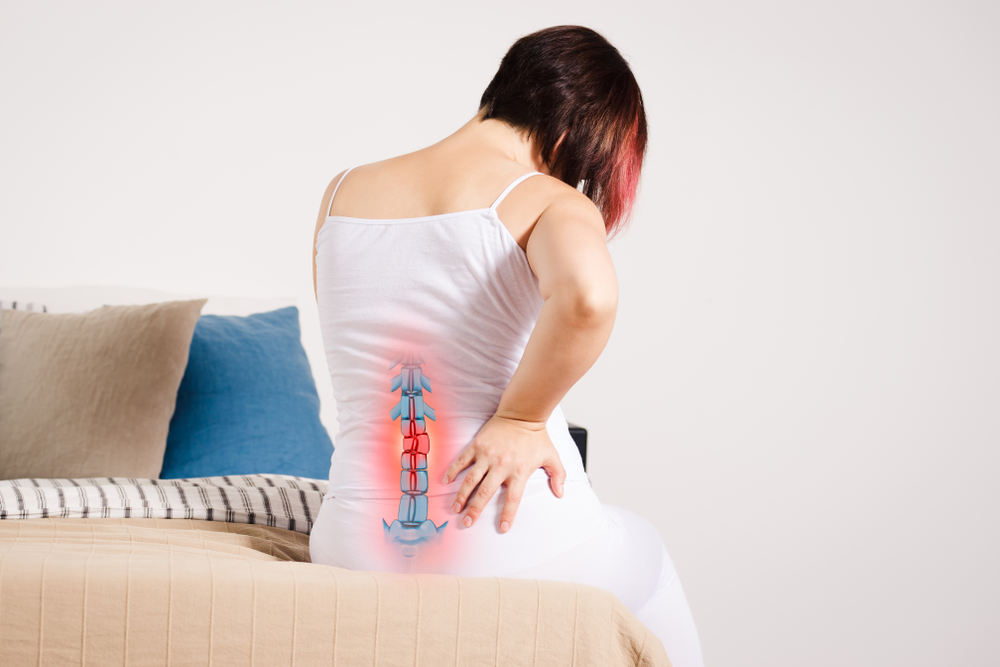
People often assume that car accident injuries are sudden and noticeable at the time of the collision, but that’s not always the case. Pain and other symptoms can develop days, weeks, or months after the incident. Sometimes, the root of these issues is pinched nerves, which can cause mild to severe symptoms that can affect your quality of life. At Quantum Physical Therapy & Chiropractic Care, PLLC, we provide physical therapy in New York, an effective, noninvasive treatment for pinched nerves. Consult our guide below to learn more about this condition and how it could manifest after an auto collision. Pinched Nerves vs. Compressed Nerves: What’s the Difference? As the name suggests, a pinched nerve, or radiculopathy, refers to excessive pressure put on a nerve by the soft tissues surrounding it. Tendons, bones, muscles, and cartilage can also cause the issue, and it can affect any part of the body. After a car accident, people often complain of back or neck pain, which can be due to radiculopathy in part or in whole. According to StatPearls, up to 40% of workplace absences occur due to people with a history of neck pain. StatPearls also reports that a lifetime prevalence of lower back pain may range from 60% to 90% due to various causes, including trauma. So, what’s the difference between pinched and compressed nerves? There isn’t a difference; both terms refer to the same condition. If you have the condition, you may experience pinpoint or radiating pain, as well as: Stiffness Tingling or warmth Weakness Numbness Limited mobility The sensation of pins and needles in your extremities What Causes Pinched Nerves? Physical traumas that put excessive pressure on a nerve can lead to nerve compression. For instance, whiplash from a rear-end collision can cause the condition. The impact can force the head and neck to jerk back and forth violently, leading to compressed nerves and localized swelling. Pressure can also accumulate due to medical conditions, like sciatica. Sciatica typically develops due to damaged or degenerative spinal discs. Broken bones can also trigger the condition, specifically if the bone is part of the rib cage, spine, or shoulders. A dislocated bone can press up against a nearby nerve. How Medical Professionals Diagnose Nerve Compression Diagnosis of a pinched nerve requires the expertise of a healthcare professional for treatment and recovery. After taking your medical history, discussing your symptoms, and reviewing the auto collision incident, the medical professional may order tests to determine the root of your condition: X-rays: This diagnostic imaging can show the position of your bones, which can help pinpoint a possible pinched nerve if the imaging shows unusual narrowing. Spinal tap: To check for inflammation, the doctor may request a sample of spinal fluid for testing. MRI scan: This imaging will show your internal structures and soft tissues in more detail than an X-ray, which may be helpful in identifying nerve root compression. Nerve conduction study: Your physician may order this test, which measures the electrical nerve impulses in your muscles. It’s an effective way to identify nerve damage. Physical Therapy’s Role in Pinched Nerve Compression Following an Auto Collision According to a 2024 YouGov survey with over 1,000 participants, about 86% of respondents who have undergone physical therapy at some point in their lives say the treatment was helpful. This kind of treatment is often necessary for recovery after a car accident. A customized physical therapy treatment plan that accounts for a patient’s age, general health, weight, and injury can help with pinched nerves. Although targeted exercises, stretches, and manual therapies can provide relief from inflammation and lessen pain, these are not the only benefits the treatment offers. Through physical therapy, you can stretch and strengthen muscles around the affected area, improving your mobility and flexibility. Having stronger muscles can help you avoid future injuries and improve your posture. Other Ways To Treat Car Accident Injuries Patient education plays a significant role in pinched nerve recovery. After assessing and diagnosing your condition, your physical therapist will tell you how you can improve your injuries and avoid secondary trauma. They may recommend lifestyle changes as part of your treatment to enhance your quality of life. Medication may also be necessary for pain relief. Nonsteroidal anti-inflammatory drugs can reduce pain and inflammation, and anti-seizure medications like gabapentin sometimes help with nerve-related pain. Look No Further than Quantum Physical Therapy & Chiropractic Care, PLLC, for New York Physical Therapy You don’t have to live with the pain of a pinched nerve from a car accident. At Quantum Physical Therapy & Chiropractic Care, PLLC, we offer diagnostic imaging, personalized treatments, and comprehensive chiropractic care and physical therapy solutions. In addition to our specialized clinical care, we provide high-quality patient care to all patients. Our doctors accept most insurance plans, including workers’ compensation, no-fault, and PIP (personal injury protection). Same-day appointments may be available. When you’re ready for treatment after reviewing the reasons to consider physical therapy, contact Quantum Physical Therapy & Chiropractic Care, PLLC, at (631) 591-2293 to request an appointment for New York physical therapy. Frequently Asked Questions About Pinched Nerves Learn more about physical therapy and pinched nerves with our answers to common questions. How Long Do Pinched Nerves Last? How long pinched nerves last depends on the severity of the case. It could take a few days to 12 weeks or longer to recover from radiculopathy. Is Physical Therapy the Right Treatment for Pinched Nerves? Physical therapy is a practical, noninvasive approach to provide inflammation relief and reduce other neurological symptoms. What Exercises Are Ideal if I Have a Pinched Nerve? Low-impact aerobic exercises are often beneficial for relieving pain and discomfort associated with pinched nerves, such as swimming, walking, and cycling. These movements increase blood flow to the irritated or compressed nerve, which aids in healing. What Should I Avoid Doing if I Have Compressed Nerves? If you have a compressed nerve, it’s best to avoid having a sedentary lifestyle, as improved blood circulation from regular movement can facilitate healing. It’s also important to get quality sleep, avoid repetitive or sudden movements, and maintain proper posture.
Understanding Mechanical Back Pain and How Physical Therapy Can Treat It

Many people visit Quantum Physical Therapy & Chiropractic Care because they’ve developed stubborn, movement-related back discomfort that disrupts work, sleep, or their daily routine. Mechanical back pain responds exceptionally well to physical therapy in New York, especially when treatment focuses on posture, mobility, and core stability. If you’ve wondered why your back hurts during certain activities or what you can do to feel better, this guide breaks everything down in clear, patient-friendly language. What Is Mechanical Low Back Pain? Mechanical low back pain refers to discomfort originating from the moving parts of the spine, including muscles, ligaments, facet joints, discs, and the bones of the lumbar spine. With this condition, symptoms change with movement, position, and physical stress. Bending, lifting, or sitting for too long may cause a backache, whereas standing up, walking, or shifting positions often brings relief. What distinguishes mechanical back pain from nerve-related problems is that the discomfort typically remains in the lower back or hips, rather than radiating down the leg. The most common reason people develop this problem is musculoskeletal dysfunction, which occurs when tissues are stiff or weak. Poor spinal alignment, prolonged sitting, weak core muscles, limited hip mobility, or minor strain from daily activities can all contribute. Mechanical low back pain accounts for 85 to 95% of low back pain cases in the U.S. Within any given 12-month period, 30 to 40% of adults will experience some level of these symptoms at least once. According to the American College of Physicians (ACP) guidelines, physical therapy is a first-line treatment for mechanical back pain. How Long Does Mechanical Back Pain Last? The duration of mechanical back pain varies depending on its severity, the degree of tissue stress, and the speed of treatment initiation. For many people, symptoms improve significantly in two to six weeks. Mild cases often resolve even sooner when patients start physical therapy early, because therapy addresses not just pain but the underlying movement patterns that cause it. Acute phases typically involve muscle guarding or inflammation that flares with movement. As symptoms settle, stiffness and weakness may remain, which is why the sub-acute period often requires guided activity. When discomfort lasts longer than three months, it’s usually not due to structural damage but rather to unhealthy habits, including poor posture, weak core muscles, or limited mobility. Even in chronic phases, people usually recover well once these patterns are corrected. Experienced physical therapists evaluate movement quality, posture, and strength to design personalized plans that support every phase of healing for mechanical back pain. How New York Physical Therapy Experts Treat Mechanical Back Pain Professional physical therapy in New York provides a structured, evidence-based pathway to restoring movement, reducing pain, and preventing flare-ups. Care always begins with a thorough evaluation that examines posture, mobility, irritated tissues, and muscular imbalances. This whole-body perspective ensures your treatment plan targets the true source of discomfort rather than just the symptoms. Hands-On Techniques That Reduce Pain Manual therapy is often the first phase of treatment, especially for patients experiencing stiffness or muscle guarding. Therapists use techniques such as: Soft-tissue massage to decrease tightness Targeted joint mobilizations to restore motion Myofascial release to improve tissue glide Gentle stretching to relieve irritation around the lumbar spine These methods frequently provide early relief and prepare your body for more active rehabilitation. Core Strengthening and Stability Training Once the pain begins to subside, therapists introduce exercises that help build lumbar support. True core strengthening focuses on deep stabilizer muscles that act as the spine’s internal brace. Patients commonly learn controlled, corrective movements, such as dead bugs, bird-dogs, and modified planks. As these muscles activate more effectively, they reduce load on irritated joints and tissues, helping mechanical back pain resolve more completely. Posture Correction and Mobility Work Posture training goes beyond “sitting up straight.” Therapists teach practical strategies, including: Adjusting desk ergonomics Using hip-hinging during lifting Improving standing alignment during daily tasks Mobility work for the hips and thoracic spine also prevents the lower back from compensating for tight or restricted areas. Movement Retraining for Long-Term Relief Sustained improvement depends on learning safer, more efficient movement patterns. Patients practice bending, reaching, rising from bed, carrying objects, and performing job-specific tasks with proper mechanics. These habits build long-term resilience, making mechanical back pain far less disruptive over time. Contact Quantum Physical Therapy & Chiropractic Care To Take Your Next Steps Toward Relief If you are living with mechanical back pain, early care can help shorten the recovery process. Quantum Physical Therapy & Chiropractic Care specializes in treating this common condition through personalized evaluations, hands-on care, mobility work, and targeted strengthening programs. Our doctors accept most insurance plans, including workers’ compensation, no-fault, and PIP (personal injury protection). Same-day appointments may be available. Contact us online or call our location nearest you to schedule a visit with our expert physical therapists. Our team can guide you through a personalized plan focused on restoring movement, improving alignment, and understanding common causes of lower back pain so you can stay active with confidence. Frequently Asked Questions About Mechanical Back Pain and Physical Therapy These FAQs address common concerns patients often have before starting treatment or scheduling their first appointment. Does Mechanical Back Pain Get Worse With Age? Mechanical back pain doesn’t necessarily get worse with age. Staying active, maintaining strength, and practicing good movement habits can significantly reduce symptoms and preserve long-term spine health. Are Standing Desks Helpful for Mechanical Back Pain? Using a standing desk, or at least intermittent standing, helps reduce prolonged pressure on spinal joints and muscles. Alternating between sitting and standing often provides the best results. Can Mechanical Back Pain Affect Sleep Quality? Mechanical back pain can adversely affect sleep quality. Discomfort may make it difficult to fall asleep or stay asleep. Therapists often recommend supportive positioning, such as a pillow under the knees or between the legs. Can Mechanical Back Pain Be Caused by Stress or Tension? Yes, mechanical back pain can result from emotional stress that increases muscle tension in the
Post-Surgical Rehab: What to Expect in Physical Therapy

When you undergo surgery to treat an injury or chronic condition, the procedure is usually only the beginning of your recovery. The real “work” starts once you leave the operating room in post-surgical rehab. A good physical therapist in New York helps you bounce back faster and feel like yourself again. But what should you expect from post-surgery rehabilitation? Why Post-Surgical Rehab Matters Surgery is just the first step toward healing. Post-surgical rehab helps your body relearn movement, manage pain, and rebuild strength for long-term mobility improvement and functional recovery. A BMC Surgery study found that patients who received inpatient physical therapy recovered three days faster than those without rehab support. Other studies show that early mobilization and guided therapy often lead to better outcomes than prolonged rest or immobilization. For example, when treating whiplash and cervical injuries, patients who receive physical therapy tend to do better than those with rigid immobilization. These (and other) findings make it clear that post-surgical rehab isn’t just a box to check. It’s your roadmap back to life. A Step-by-Step Look at What Happens in Post-Surgery Rehabilitation The timeline for physical therapy after surgery varies depending on your specific condition, the surgery you had, and your overall health. Early Phase: Days to Weeks After Surgery Right now, you just focus on protecting healing tissues, reducing pain and swelling, and initiating safe movement. The physical demands are quite low, and you may only do five to 10 minutes of gentle motion several times a day. During this stage, your therapist will guide gentle movements, teach you how to move safely, like getting out of bed or a chair, and monitor your healing to prevent stiffness or complications. Middle Phase: Weeks to a Few Months Therapy a few weeks after surgery aims to restore your range of motion, begin strength training, and reintroduce daily activities. In addition to guided range-of-motion (ROM) exercises to increase flexibility and mobility, you’ll start strength exercises. Functional work focuses on practicing daily tasks like grooming and lifting light objects. Some patients also receive manual therapy. Physical therapists provide hands-on mobilization or soft-tissue work to reduce tightness. Physical therapy supports better outcomes in terms of pain and disability, especially for those who have had surgery on their spine. In one trial, about 48% of patients doing neck-specific exercises achieved a 50% reduction in pain by three months, compared to about 5% of the patients who only engaged in general activities. Late Phase: Several Months to a Year (or More) The goal isn’t just to walk or lift again. It’s to get back to your life. Maybe that’s chasing your kids around the yard or heading back to work without wincing every time you move. As you improve, therapy focuses on advanced strengthening: more weight, dynamic movement, and endurance-building repetition. It also addresses neuromuscular control and aims to improve your coordination, balance, and posture. To ensure your long-term success, your therapist will work with you to plan your return to activity and develop a home maintenance program to help you sustain your gains and avoid relapsing. The Key Components of a New York Physical Therapy Setting When you choose Quantum Physical Therapy & Chiropractic Care, PLLC for post-surgical physical therapy in New York, you can expect an Individualized assessment: We don’t do cookie-cutter. We work with every patient to find the best way to improve movement, posture, strength, and nerve function, and support healing progress. In practice, this means: Graduated, evidence-based care: We scale your exercises safely and use proven methods like manual therapy, soft-tissue work, and posture retraining. Home exercise program: What you do between sessions matters a lot. Pain management strategies: Medication may be part of the plan, but movement, ice/heat, breathing, and alignment techniques take precedence. Communication and monitoring: We track your improvement and setbacks and adjust plans accordingly. Statistics for joint surgeries (like knee or hip) show that about 90% of patients report pain reduction one year after the surgery. Success in rehabilitation after surgery doesn’t always mean “perfect, zero pain.” It also means improved mobility, the ability to live with more ease, and the confidence to move without fear. Ultimately, it’s not just about how much time you spend in physical therapy or your pain scores. We care about your functional recovery (what you can do day-to-day) and how your movement improves. Research shows this is far more critical to a positive outcome. Recovery isn’t a straight line. Some days you’ll feel unstoppable. Other days, not so much. That’s part of the recovery process. Why Choose Quantum Physical Therapy & Chiropractic Care, PLLC When You Need a Physical Therapist in New York Your surgery was just one chapter, not the whole story. Quantum Physical Therapy & Chiropractic Care, PLLC focuses on postoperative rehabilitation tailored to your surgery, combining evidence-based care with a compassionate, human touch. If you need a physical therapist who understands your journey after surgery, Quantum Physical Therapy & Chiropractic Care, PLLC would love to help. Contact us to schedule an evaluation, learn the benefits of physical therapy treatment, and take the next step toward recovery. Our doctors accept most insurance plans, including workers’ compensation, no-fault, and PIP (personal injury protection). Same-day appointments may be available. FAQs About Post-Surgery Rehab Regain control of your life through smart, guided post-surgical rehab. How Long Will Post-Op Recovery Work Take? How long you need postoperative rehabilitation depends on your surgery, health, how your body heals, and how consistently you do therapy. Some people are back to light activity in a few months, while others need treatment for six months or more. Will I Always Have Pain? Over time, many patients report significant reductions in pain, but they may still experience occasional tightness or flare-ups. The goal is to reduce pain to tolerable levels and teach your body how to move correctly. Can I Skip Therapy and Just Rest? Rest is important early, but skipping post-surgical rehab often leads to stiffness, weakness, and poor long-term outcomes.
Treating Tech Neck: Physical Therapy for Modern Day Postural Strain

How are you reading this article right now? Chances are, you’re looking down at your phone, laptop, or tablet, and you have been for a while now. Tech neck is the name for the modern epidemic of nagging pain in your neck and upper back. If this sounds familiar, you’re not alone: the Pan American Health Organization reports that neck and back pain are among the top five causes of disability. People of all ages who spend hours glued to their devices every day are dealing with chronic pain, stiffness, and soreness due to poor posture, and they may not realize that, over time, constantly looking down to read emails and scroll social media can cause spinal pain and deformities. While cutting back on your phone time can help alleviate the symptoms of tech neck, seeing a physical therapist in New York, NY can help reduce symptoms related to postural strain, improve your posture, and prevent further damage to your musculoskeletal system. A Physical Therapist in New York, NY, Explains: What Is Tech Neck? Tech neck refers to the postural strain that spending prolonged periods of looking down at screens puts on your neck, shoulders, and upper back. Whenever you’re texting, playing a game, watching TikToks, or working on your laptop, your head tilts forward, putting extra pressure on your neck and spine. At its core, tech neck is the result of poor posture and repetitive strain. Considering that the average human head weighs about 10 to 12 pounds, leaning forward just 15 degrees puts about 27 pounds of extra weight on your cervical spine. Tilt it 60 degrees, the most common angle for looking at a phone, and that pressure jumps to 60 pounds. That pressure is manageable for short periods, but most people spend a lot more than a few minutes using their phones. The Mayo Clinic reports that, on average, we spend three hours and 15 minutes on our phones every day, which can add up to almost nine years spent using the device. It’s no surprise, then, that this accumulated strain can cause ongoing pain, stiffness, and even headaches that go well beyond a minor ache. Tech neck can also: Stretch and weaken the muscles supporting your neck Compress spinal discs Cause inflammation in joints and soft tissues Lead to long-term postural changes In short, these symptoms signal that your posture and muscles need some attention. Common Symptoms of Tech Neck The signs of tech neck can vary, but some of the most common symptoms include: Stiffness in the neck and shoulders Persistent neck pain that worsens throughout the day Headaches usually stemming from the base of the skull Upper back discomfort or pain Tingling or numbness in the arms or hands in severe cases If any of these sound familiar, you’re not alone. Many New Yorkers experience neck pain from devices daily, especially those who work long hours at desks or spend evenings on their smartphones. How Physical Therapy for Tech Neck Can Help You don’t have to live with neck pain from devices or give up your phone and laptop to avoid the symptoms. You can manage discomfort, improve your posture, and learn how to prevent future problems with tech neck physical therapy. Working with a New York physical therapy provider can give you targeted approaches that address modern-day neck pain at its source. Physical therapists use multiple techniques for postural strain treatment Postural Assessments and Education Understanding what contributes to tech neck is crucial for long-term relief, so therapists evaluate your posture and daily habits. From there, they can recommend simple changes, like adjusting your screen height and chair setup to reduce strain throughout the day. Targeted Stretching Tight muscles are a hallmark of tech neck. Physical therapy includes guided stretches that help release tension in the neck, shoulders, and upper back. Strengthening Exercises After loosening the muscles, therapists work on building strength to support better posture. Stronger muscles help your neck and upper back handle daily activities without pain. Manual Therapy Hands-on techniques, such as massage, joint mobilization, and myofascial release, can further reduce discomfort. These treatments target tight muscles and help restore proper movement, allowing for a greater range of motion. Technology-Assisted Treatments Modern physical therapy may include tools like ultrasound, electrical stimulation, or traction to accelerate healing. These therapies can reduce inflammation and provide short-term relief while you rebuild strength and flexibility in your muscles. A New York Physical Therapy Provider’s Tips for Preventing Tech Neck Physical therapy can teach you how to avoid slipping back into bad habits and prevent tech neck from returning. Physical therapists in New York recommend: Keeping screens at eye level whenever possible Taking frequent breaks from devices to stretch Practicing good posture while sitting or standing Strengthening your neck and upper back muscles Incorporating these habits and staying consistent with physical therapy can help reduce pain, prevent long-term issues, and enable you to navigate your daily routine more comfortably. Take the First Step Toward Relief Don’t let neck pain from devices control your day. If you’re struggling with tech neck in NYC, Quantum Physical Therapy & Chiropractic Care is here to help. Call or schedule a consultation online to start your personalized tech neck treatment plan. Our doctors accept most insurance plans, including workers’ compensation, no-fault, and Personal Injury Protection (PIP). Same-day appointments may be available. FAQs About Physical Therapy for Tech Neck Learn more about the benefits of considering physical therapy for tech-related neck pain. How Do I Know if I Have Tech Neck? Feeling stiffness, soreness, or pain in your neck and shoulders after using your phone or computer could indicate tech neck. Other signs include headaches, reduced neck mobility, and tension in the upper back. How Long Does It Take To See Results From Tech Neck Physical Therapy? Many patients notice improvement within four to six weeks, but lasting results require adhering to a consistent treatment plan and performing home exercises. Is Tech Neck Permanent if I Ignore It? Left untreated, tech neck can lead to long-term posture issues, chronic pain,
Treating Shoulder Injuries From Seat Belt Trauma With Physical Therapy

Seat belts are essential safety devices that save many lives every year. However, in the aftermath of a car accident, they can also leave you with unexpected pain. As the belt restrains your upper body during impact, the pressure often lands directly across your shoulder. This can lead to soreness, stiffness, and sometimes more serious trauma, like rotator cuff damage or joint instability. Professionally guided physical therapy for a shoulder injury offers a proven path to healing. Quantum Physical Therapy & Chiropractic Care is the leading physical therapist for shoulder injuries in New York. Let’s look at some important information about how the process works. Understanding Shoulder Injuries Caused by Seat Belt Trauma Seat belt use stood at 91.9% in 2023, and belts clearly prevent many serious injuries and deaths. Still, part of the design of three-point harnesses leads to blunt force trauma to the covered shoulder. Seat belt injury patients use professional physical therapy in over 60% of cases to effectively restore mobility and strength during recovery. Common seat belt shoulder injuries range from mild bruising to more complex orthopedic conditions that limit the ability to move freely. They include: Rotator cuff strains or tears: These injuries affect the muscles and tendons that stabilize your shoulder and often cause pain with lifting or reaching. Soft tissue contusions: The belt may bruise muscles like the deltoid, leading to swelling and tenderness. Labral tears: Damage to the cartilage around the shoulder socket may cause catching or clicking sensations. AC joint sprains and clavicle fractures: Stress or fractures of the collarbone or joint connecting it to the shoulder blade cause sharp pain and limited movement. Starting With Pain Relief and Manual Therapy Initial treatment centers on reducing inflammation and restoring comfort. Manual therapy techniques like joint mobilizations and soft tissue massage promote circulation and alleviate tightness. These hands-on approaches to physical therapy for a shoulder injury are essential in early recovery and set the stage for more active therapy. In conjunction with manual work, your therapist may use: Ice or heat therapy Electrical stimulation (TENS) Gentle guided movement to prevent stiffness These early steps are critical in restoring your shoulder’s function without aggravating the injury. Physical Therapy Exercises for Shoulder Injuries: Regaining Mobility Once pain is under control, therapists often shift to shoulder mobility therapy and range-of-motion exercises that gradually reintroduce movement to the shoulder joint. The goal is to avoid complications like adhesive capsulitis (frozen shoulder) while gently stretching tight tissues. Some commonly prescribed movements include: Pendulum swings: These use gravity to move the shoulder in small, pain-free circles. Wall walks and table slides: These exercises guide the shoulder through overhead and forward motion. Stretching routines: Especially for the chest and upper back, these help restore natural posture and prevent stiffness. Strengthening With Resistance Band Workouts and Rotator Cuff Exercises Once mobility improves, it’s time to rebuild strength, particularly in the rotator cuff. Therapists often introduce low-impact resistance band workouts, which effectively activate the muscles that stabilize the shoulder. Some of the methods that target the rotator cuff include: External and internal rotations using a resistance band Isometric holds, where muscles contract without movement Scapular retractions and wall push-ups to strengthen the surrounding support muscles These and other exercises are especially important if your injury involves partial rotator cuff tears or post-surgical healing. In fact, rotator cuff rehab forms a vital part of virtually every plan for physical therapy for a shoulder injury. Functional Training With a Physical Therapist in New York Once strength and flexibility return, you’ll start applying your gains to real-life activities like doing laundry, working at a desk, or returning to sports. Your physical therapist in New York will lead you through tasks like lifting, carrying, or reaching, as well as drills to retrain balance and coordination. If you’ve undergone surgery, we also provide structured post-surgical rehab. This includes strict protocols to protect healing tissues and timed progressions to safely reintroduce movement and load-bearing activity. Get the Most From Your Treatment Your participation is essential to successful recovery. Follow these simple tips: Stick to your plan and do your home exercises daily. Report issues to your therapists immediately if something hurts or isn’t improving. Be patient and focus on making consistent improvement. Protect the joint by avoiding overhead lifting or repetitive motion until cleared by your provider. Start Your Recovery With Quantum Physical Therapy Today Quantum Physical Therapy & Chiropractic Care excels in physical therapy for shoulder injuries caused by seat belt trauma. Whether recovering from a sprain, managing post-op healing, or needing expert guidance to return to work, our compassionate, experienced team can help with expert physical therapy for a shoulder injury. Doctors in our directory accept most insurance plans, including workers’ compensation, no-fault, and PIP (personal injury protection). Same-day appointments may be available. Are you in need of accident-related rehabilitation or workplace shoulder injury therapy? Call us at (646) 914-7747 today to schedule your evaluation. With expert care and a personalized recovery plan, we’ll help you get back to life without shoulder pain. Frequently Asked Questions About Physical Therapy for Shoulder Injuries From Seat Belt Trauma If navigating recovery after a shoulder injury caused by a car accident, these common questions may help you better understand the healing process. Can Physical Therapy Help If I’ve Had Shoulder Problems Before the Accident? Physical therapy can certainly help with pre-existing shoulder problems. Your therapist can create a tailored program that addresses both the new trauma and any previous shoulder issues to promote full, balanced recovery. What Types of Lifestyle Changes Can Support My Shoulder Recovery? Some simple lifestyle adjustments that can support recovery include using ergonomic chairs, avoiding overhead lifting, sleeping on your non-injured side, and maintaining good posture throughout the day. Can a Seat Belt Cause Long-Term Damage to the Shoulder If Not Treated Properly? Yes, a seat belt injury can cause long-term shoulder damage, including chronic pain, reduced mobility, and conditions like frozen shoulder or long-term tendon degeneration. The sooner you begin physical therapy
Can Chiropractic Care Reduce the Need for Pain Medications?

In the midst of a growing opioid crisis, many New Yorkers are seeking alternatives to conventional pain management approaches. Living with chronic pain can be debilitating, affecting every aspect of your daily life from work performance to personal relationships. Chiropractic care for pain management in New York offers a promising solution that addresses the root causes of discomfort rather than simply masking symptoms. According to a Gallup study, more than 35 million people in the United States received treatment from chiropractors in 2015, and the number keeps increasing. In this guide, Quantum Physical Therapy & Chiropractic Care will explain how chiropractic care can potentially reduce your reliance on pain medications. How Chiropractic Care Addresses Pain at Its Source When you’re suffering from chronic pain, reaching for medication often seems like the simplest solution. However, pain medications typically only mask symptoms without addressing underlying issues. Chiropractic care takes a fundamentally different approach. Chiropractors focus on proper spinal alignment and nervous system function. Through specialized adjustments, they help restore proper function to your body’s musculoskeletal system. This approach can be particularly effective for back pain, neck pain, and headaches. Gallup-Palmer College of Chiropractic reports that around 50% of adults in the U.S. have visited a chiropractor at least once in their lifetime. Many patients report significant improvement after beginning treatment with a chiropractor. The holistic approach considers your entire body, not just the area experiencing pain. The Benefits of Chiropractic Care for Pain Management One of the most compelling advantages of chiropractic treatment options is that they offer non-invasive pain relief without pharmaceutical side effects. Unlike medications that may cause drowsiness, digestive issues, or dependency concerns, chiropractic care works with your body’s natural healing mechanisms. Key benefits include: A reduced risk of dependency: Chiropractic treatments help you avoid the potential for chemical dependency that can occur with some pain medications. No harmful side effects: Without the digestive issues, drowsiness, or other complications common with pain medications, chiropractic care provides a gentler approach to pain management. Targeted results: Rather than masking pain temporarily, chiropractic adjustments address underlying mechanical issues causing your discomfort. Overall wellness support: Beyond pain relief, regular chiropractic care may improve nervous system function and overall health. For many patients, the benefits of chiropractic care extend beyond pain relief to include improved mobility, better sleep, and enhanced overall well-being. These improvements often reduce the need for pain medications over time. A Chiropractor’s Approach to Natural Pain Management Visiting a chiropractor in New York means more than just getting spinal adjustments. Modern chiropractic practices often incorporate multiple therapeutic approaches for comprehensive care. Your treatment plan might include soft tissue therapies that address muscle tension contributing to your discomfort. These techniques complement spinal adjustments by releasing tight muscles and improving circulation. Chiropractors also frequently provide lifestyle recommendations, including proper ergonomics, exercise guidance, and nutritional advice. This multifaceted approach addresses various factors that may contribute to chronic pain. Pain Medication Alternatives That Support Long-Term Wellness While conventional pain medications may offer temporary relief, many patients seek alternatives that support their body’s natural healing processes. Chiropractic care represents one such alternative that many find effective. According to the Journal of Manipulative & Physiological Therapeutics, receiving integrative care from a chiropractor or primary care physician for your condition makes you 60% less likely to require hospital treatment. Effective alternatives to pain medication include: Chiropractic adjustments: Targeted spinal manipulation helps restore proper alignment and reduce pressure on nerves causing pain. Therapeutic exercises: Customized movement routines strengthen supporting muscles and improve flexibility around problem areas. Soft tissue therapy: Techniques like myofascial releases and targeted massages help relieve muscle tension contributing to pain. Lifestyle modifications: Ergonomic improvements and posture corrections address daily habits that may worsen pain conditions. Drug-free pain relief strategies often produce more sustainable results because they address underlying mechanical issues rather than just blocking pain signals. This can lead to lasting improvements rather than temporary symptom masking. Consult Our Chiropractors in New York for Natural Pain Relief Today At Quantum Physical Therapy & Chiropractic Care, we understand that each person’s pain experience is unique. Our team provides personalized care plans designed to address your specific needs and goals. We believe in empowering our patients with knowledge about their conditions and treatment options. Understanding the phases of chiropractic care can help you set realistic expectations and recognize progress in your healing journey. Our comprehensive approach combines the best of modern chiropractic techniques with complementary therapies to maximize your results and minimize your need for pain medications. Our doctors accept most insurance plans, including workers’ compensation, no-fault, and PIP (personal injury protection). Same-day appointments may be available. If you’re looking for effective chiropractic care in New York, contact Quantum Physical Therapy & Chiropractic Care today at (646) 914-7747. Frequently Asked Questions Here are some common questions our patients ask about chiropractic care and pain management. How Soon Might I Notice Results From Chiropractic Treatments? While individual experiences vary, many patients report feeling some degree of relief after their first few chiropractic sessions. Addressing chronic conditions typically requires a series of treatments to achieve lasting results. Is Chiropractic Care Safe for Everyone? Chiropractic care is generally considered safe for most people when performed by a licensed professional. However, certain conditions may require modified techniques or different approaches, which is why a thorough initial assessment is essential. For example, you may not be a candidate for chiropractic care if you’re still in the initial stages of recovering from surgery. Can I Continue Taking My Pain Medication While Receiving Chiropractic Care? Many patients continue their prescribed medications while beginning chiropractic treatment, gradually reducing dosage as improvements occur. Always consult your medical doctor and chiropractor about your pain management plan. What Types of Pain Respond Best to Chiropractic Treatment? While chiropractic care can address various pain conditions, it’s particularly effective for musculoskeletal issues like back pain, neck pain, and headaches with cervical origins. Joint pain, sciatica, and certain types of sports injuries also frequently respond well to chiropractic approaches.
Why Physical Therapy Is Key for Back Pain Caused by Poor Posture

Whether you work at a desk, on a construction site, or behind the wheel, poor posture affects how your body moves and feels. Constant slouching, lifting, and leaning create strain in your spine that builds tension in your muscles, limits movement, and affects every aspect of your life. If you need a physical therapist for back pain in New York, there’s no better option than Quantum Physical Therapy & Chiropractic Care. Our team focuses on posture correction, muscle balance, and long-term pain relief through hands-on care and movement-based treatment that fits your body and routine. In this blog post, you’ll discover how posture leads to back pain, what a focused treatment plan looks like, and why physical therapy is one of the most effective ways to correct poor posture at the source. Poor Posture Disrupts the Way Your Spine Functions According to the National Spine Health Foundation, prolonged poor posture increases musculoskeletal load and changes spinal alignment in ways that raise your risk of long-term pain. Sitting, lifting, or standing with poor form puts pressure on your spine in ways it was never meant to handle. That pressure compresses joints, irritates soft tissue, and creates uneven wear throughout your back. As some muscles weaken, others work harder to keep you upright. This imbalance leads to muscle tension, stiffness, and reduced mobility that change how you move throughout the day. Poor posture habits during work and rest build on each other. Whether you hunch at a desk or twist through physical labor, the repeated strain can lead to chronic discomfort and limited range of motion. At Quantum Physical Therapy & Chiropractic Care, our team addresses these habits through posture correction, hands-on therapy, and strength training designed to take pressure off your spine and restore healthy movement. How Physical Therapy Targets Back Pain at the Source At Quantum Physical Therapy & Chiropractic Care, your treatment starts with a full posture and mobility evaluation. A licensed physical therapist in New York examines how your spine moves, where your muscles are weak, and which movement patterns are causing pain. Once we understand the source, we build a plan focused on movement correction, muscle balance, and strength. We design each step to retrain how your body supports itself during everyday tasks. Physical therapy for back pain works by restoring alignment and taking pressure off the painful areas. As your posture improves and your muscles get stronger, your body starts to move with less strain and more control. Posture Exercises That Improve Strength and Reduce Pain Harvard Health reports that strength routines focused on posture lower injury risk and improve spinal stability. At Quantum Physical Therapy & Chiropractic Care, our therapists teach you how to perform targeted posture exercises like planks, bird dogs, and glute bridges. These movements build strength around your spine and improve how your body holds itself during work and rest. We guide each step to reduce muscle tension, prevent fatigue, and improve control. As your muscles strengthen, you stop relying on poor posture habits that strain your joints and cause pain. Posture correction takes more than awareness. It takes training. Our therapists help you build the strength and balance needed to keep your spine supported and pain under control. Ergonomic Habits Reinforce the Progress Made in Therapy Ergonomic adjustments can help reduce workplace musculoskeletal pain and improve long-term comfort during repetitive tasks. At Quantum Physical Therapy & Chiropractic Care, our therapists teach you how to adjust your daily setup to support posture correction. We help you fine-tune your chair height, screen position, and desk layout so your body stays aligned while you work. We also show you when to move, how to stretch, and what habits to avoid throughout the day. These small changes prevent your old posture from returning and protect the progress you make in therapy. Good ergonomic habits create a better environment for your spine. They keep your muscles engaged and help your body stay balanced through every part of your routine. Physical Therapy and Chiropractic Care Work Together The American Chiropractic Association recommends combining manual care with movement training to improve spinal health and reduce pain. At Quantum Physical Therapy & Chiropractic Care, our therapists and chiropractors work together to deliver complete treatment. Chiropractic care restores proper alignment, while physical therapy for back pain builds strength in the muscles that support your spine. This combined approach helps your body move better and recover faster. Manual adjustments reduce joint pressure, and targeted exercises retrain how your body holds itself during daily activity. Our New York physical therapy team coordinates every step to ensure your spine stays aligned, supported, and pain-free. Fix the Root of Your Back Pain With Posture Correction From Quantum Physical Therapy & Chiropractic Care Poor posture creates discomfort that limits movement, shortens activity time, and keeps your body tense even at rest. Physical therapy for back pain fixes the cause and restores control over how your body moves. At Quantum Physical Therapy & Chiropractic Care, our team uses hands-on care and targeted exercises to support your spine and retrain your posture. Our doctors accept most insurance plans, including workers’ compensation, no-fault, and PIP (personal injury protection). Same-day appointments may be available. Let us look at how you move, find the habits causing stress, and guide you through a clear plan that builds strength and balance. Frequently Asked Questions How does poor posture cause lower back pain? Poor posture stresses your spine and muscles, leading to tightness, weakness, and ongoing pain. What do physical therapy and lower back pain management involve? Physical therapy and lower back pain management involve therapeutic techniques like strength training, posture correction, and hands-on care to treat pain at the source. Who should consider physical therapy and lower back pain management? Anyone with ongoing back pain from poor posture, work strain, or limited movement should start physical therapy and lower back pain management to fix the cause. How long does posture correction therapy take to work? Most people start feeling better within