
Qué esperar en la primera cita de fisioterapia

A first trip to a physical therapist can be stressful, especially since you are probably going because of an injury or specific condition that has already limited your normal activities and makes you feel uncomfortable. The comforting news we want to share right off the bat is that physical therapy appointments focus on your healing and well-being. Physical therapy is not intended to be painful or intimidating or to push you beyond what you can do to help yourself get better naturally. If you are interested in physical therapy in NY, continue reading for useful information from Quantum Physical Therapy & Chiropractic Care. Things to Do Before Your First Physical Therapy Appointment Before your first appointment, you will complete paperwork related to your medical history and current condition. As with any medical appointment, this information is critical to your care, and you should complete it carefully. Your physical therapist will also ask you several questions about your current condition. Be prepared to discuss relevant points, including: How and when your condition begin How you managed daily activities at work, home, and in recreation previously compared to current activity levels Whether your symptoms have been changing recently or have remained consistent What things make your physical condition better or worse Bring a list of your current medications. Write down any questions you want to ask and bring them along. The First Appointment Primarily Focuses on Assessment Your physical therapist’s first order of business is usually to assess your condition and its causes. They always want to be sure they are correctly targeting the source of your discomfort. After your physical therapist discusses your symptoms and condition, they will likely take some measurements and have you perform some tasks and exercises to establish a baseline for your treatment objectives and measure your progress. Depending on your condition, your therapist will take some measurements that could include one or more of the following: Range of motion Strength Balance Posture Flexibility Some exercises and movements during the assessment might be challenging. You shouldn’t feel anxious about this, as your physical therapist is simply learning about your current condition and the most important areas to work on. Setting Expectations An essential part of a physical therapist’s job is helping you set realistic goals for your progress toward recovery. In some cases, that means encouragement. At other times, it could mean avoiding frustration because progress often doesn’t happen as fast as we would like. It’s easy sometimes for us to gauge our progress by how we used to do things in the past or by looking around the therapy clinic and seeing other people who might seem to be far ahead of where we would like to be. A good physical therapist will always remind you that your therapy targets you as an individual and your current condition. You should not judge your progress against a previous version of yourself or others; your therapist will work to make you the very best version of yourself that you can be today. Your Initial Treatment Plan After completing your assessment, your physical therapist will focus on a personalized treatment plan to address your condition and start treatment. Expect your therapist to discuss your goals for physical therapy with you and the benchmarks you would like to set to mark your progress. Your physical therapist may provide you with a list of at-home exercises during your first meeting. At-home exercises help you maintain your progress between physical therapy sessions. Your first set of at-home exercises may not be very challenging, but your physical therapist will use the feedback you provide as time goes on to adjust your at-home exercise regimen. One goal of physical therapy is to equip you with long-term activities you will always be able to do on your own to maintain good health and mobility. You should also expect to discuss your future physical therapy schedule as your first appointment concludes. Contact Quantum Physical Therapy & Chiropractic Care To Schedule Your First New York Physical Therapy Appointment Quantum Physical Therapy & Chiropractic Care treats patients in NYC and multiple locations around the metropolitan area. We strive to provide expert physical therapy and other rehabilitative services along with unmatched customer service. If you have been referred to physical therapy or are interested in beginning treatment, we are here to help you with each step of the process. Call Quantum Physical Therapy & Chiropractic Care today at (646) 737-6524 to schedule your first appointment for physical therapy in New York to get on the path to better health. Doctors listed in our directory accept most insurance plans, including workers’ compensation, no-fault, and PIP (personal injury protection). Same-day appointments may be available. First Physical Therapy Appointment FAQs These are some typical questions patients ask about their first physical therapy appointment. What Should I Wear to My First Physical Therapy Appointment? At your first physical therapy appointment, you should consider wearing clothes appropriate for working out. Loose-fitting, comfortable clothing like t-shirts, yoga pants, gym shorts, or sweatpants are good choices. You should also consider clothing that will allow you to move freely. Should I Eat Before My First Physical Therapy Appointment? You should eat before your first physical therapy appointment and all following therapy appointments. Go for a well-balanced meal that includes complex carbohydrates, protein, and healthy fats at least an hour or two before your appointment, if possible. A light snack with some carbohydrates just a few minutes before your appointment begins can provide additional energy for the exercises you will be doing. Should I Schedule Physical Therapy in New York for Mornings or Afternoons? Whether you schedule physical therapy for mornings or afternoons depends on your personal attributes and preferences. Consider when you typically feel that you have the most energy. Some people are morning people, while others prefer to schedule physical therapy appointments in the afternoon after work as a great way to wind down from the day.
Causas comunes del dolor de cuello y cómo puede ayudar la quiropráctica

Neck pain is a common medical issue that affects over 80% of people during their lifetime, according to Harvard Health Publishing. While neck pain results from multiple factors, chiropractic care is an effective, non-invasive treatment method to improve neck function while reducing pain. Read below for more information about the causes of neck pain and how chiropractic treatments can help from the leading neck pain chiropractor in New York, Quantum Physical Therapy & Chiropractic Care. Common Causes of Neck Pain The cervical spine is part of the neck region of the upper back, a complex structure of interacting bones, muscles, soft tissues, and nerves. The primary function of the cervical spine is to support the head and facilitate its full range of motion. The flexibility of the cervical spine and its constant, repetitive use make the area susceptible to several conditions that cause pain, discomfort, and limited mobility. Poor Posture Poor posture is one of the leading causes of neck pain. Many lifestyle habits in modern life lead to poor posture, such as slouching over computers, sitting in office chairs, and generally sedentary living. Poor posture exerts undue stress on neck structures and causes strain, leading to pain and immobility. Muscle Strain Several causes result in muscle strain in the cervical spine. Poor posture, as mentioned above, causes muscle strain. Other typical activities that lead to muscle strain and neck pain include: Side sleeping while holding pillows Sleeping on the stomach with outstretched arms Using a pillow that does not correctly support the cervical spine Working long hours at a desk, even with good posture Heavy lifting and trauma from falls or collisions Repetitive neck motions Whiplash Whiplash is the term used for neck injuries caused by sudden and forceful motion of the cervical spine. The sudden trauma causes neck muscles to overstress and contract violently, causing inflammation, stiffness, and pain. It is relatively common, with one study in ScienceDirect reporting that roughly one million people experience it every year. Whiplash symptoms are not always immediately noticeable after the initial injury. In some cases, they can take several days to occur. Severe whiplash can cause injury beyond muscle strain, including cervical discs, intervertebral joints, ligaments, and nerve roots. Degenerative Disc Disease Degenerative disc disease is a medical condition indicated by progressive degeneration in the intervertebral discs in the cervical spine. According to Columbia University, roughly 90% of people will experience symptoms by the time they’re 60. The condition leads to herniated or bulging discs, which in turn exert pressure on the nerves that run through the interior of the cervical spine. That can cause severe neck pain, tingling, and numbness. Depending on the affected nerves, the pain can radiate to the shoulders, arms, and hands. Osteoarthritis and Rheumatoid Arthritis Osteoarthritis and rheumatoid arthritis can also cause significant neck pain. Osteoarthritis is a condition involving the degeneration of cartilage between intervertebral joints. This degeneration can lead to the development of bone spurs that press on nerves inside the cervical spine. Rheumatoid arthritis is an autoimmunity condition that causes the body to attack parts of various neck joints. Seeing a Chiropractor for Neck Pain Treatments A skilled neck pain chiropractor provides a holistic, non-surgical approach to treating neck pain. The treatments focus on the musculoskeletal system and use various methods to reduce pain and restore function. Spinal Adjustments A primary chiropractic technique involves spinal adjustments. This type of therapy involves realigning cervical vertebrae that have gotten out of proper position. Professional adjustments restore healthy cervical posture and alleviate undue pressure and stress on nerves, discs, and muscles. In addition to reducing pain, spinal adjustments help promote improved neck mobility. Additional Chiropractic Treatments In supplement to the core treatment provided by spinal adjustments, chiropractors also use other treatments to target neck pain. Those include: TENS therapy. Low-frequency transcutaneous electrical nerve stimulation (TENS) is delivered to affected areas of the cervical spine to override pain signals from affected nerves. The reduction in pain helps to accelerate tissue healing. Massage. Movement-based massage addresses painful muscle adhesions, scar tissue, and trigger points. Instrument-assisted soft tissue therapy. Chiropractors use special instruments to treat muscle tension and improve mobility. Physical therapy. Chiropractors often prescribe physical therapy and directed exercise to reduce pain and improve mobility. Contact a Chiropractor New York Patients Trust at Quantum Physical Therapy & Chiropractic Care The key to successful chiropractic treatment for neck pain is selecting an experienced and skilled licensed professional. Quantum Physical Therapy & Chiropractic Care in the New York City metropolitan area provides residents with expert chiropractic services to address the multiple causes of neck pain, inflammation, and reduced mobility. If you are interested in consulting with a neck pain chiropractor for pain management, Quantum Physical Therapy & Chiropractic Care is here to help. Our doctors accept most insurance plans, including workers’ compensation, no-fault, and PIP (personal injury protection). Same-day appointments may be available. Contact Quantum Physical Therapy & Chiropractic Care online or call (646) 737-6524! Neck Pain Chiropractor FAQs Here are some questions that patients ask about how chiropractic care can improve neck pain. How Does Poor Posture Contribute to Neck Pain? Poor posture contributes to neck pain because it places extra pressure on the spine and neck muscles. Prolonged poor posture positions, such as leaning or slouching into a computer monitor, holding a phone between the ear and shoulder, and sitting improperly, strain the neck and cause pain and discomfort. What Is Text Neck? Text neck is a condition caused by looking downward at phones or other devices over prolonged periods. The posture problem leads to overstretching tissues in the neck. In addition to chiropractic treatment, text neck can be corrected and avoided by holding devices at eye level and taking frequent breaks from electronic devices while practicing good posture in general. Can Chiropractic Care Help With Degenerative Disc Disease? Chiropractic can help with degenerative disc disease by managing symptoms. While there is still no known medical cure for disc degeneration, spinal adjustments and other forms of treatment with a neck pain chiropractor
Superar las lesiones laborales de hombro con fisioterapia

According to NSC Injury Facts, upper extremity injuries are extremely common in workplaces, resulting in roughly 30.6% of all injuries that force individuals to take time off work. Should injuries, in particular, can be particularly brutal. They usually cause pain, limited mobility, and pain. Shoulder problems can lead to temporary or permanent work disability and extended missed days of work. Physical therapy for shoulder injuries is usually a key part of comprehensive treatment plans for shoulder injuries. Quantum Physical Therapy & Chiropractic Care, a leading provider of physical therapy in New York, provides some important information about shoulder pain and injury and how physical therapy provides relief. Understanding Work-Related Shoulder Injuries According to a study in the National Library of Medicine, roughly 18%-26% of adults will experience shoulder pain in their lifetime. Many of these shoulder injuries occur at work as a result of traumatic and repetitive events. They result from heavy lifting, slip and fall accidents, repetitive movements, poor workplace posture, and other actions involving shoulder use. Some of the most common workplace shoulder injuries include: Rotator cuff tears Tendinitis Bursitis Adhesive capsulitis, also described as frozen shoulder Shoulder impingement The Role of Physical Therapy for Shoulder Pain Treatment As part of a complete treatment plan, physical therapy and rehabilitation provide vital healing power that improves outcomes and facilitates the success of other medical treatments and medications. Physical therapy for shoulder pain is effective in restoring range of motion and normal function. In fact, roughly 86% of people who pursued physical therapy found it helped reduce pain, according to YouGov. It also helps to prevent additional damage while assisting patients to become more resistant to re-injuring shoulder joints, muscles, and soft tissues. Physical Therapy Techniques for Shoulder Pain Physical therapy for work-related shoulder injuries includes several techniques. Stretching Exercises Physical therapists help patients stretch shoulder joints and teach practical at-home stretching exercises. Stretching effectively improves flexibility and increases blood flow to damaged tissue. Manual Therapy This refers to therapists’ hands-on manipulation to reduce muscle tension in and around the shoulder joint. Professional manual therapy targets locations that are resistant to regular stretching and exercise. Strengthening Exercises Physical therapists use weights and resistance machines to help strengthen shoulder and core muscles to improve arm and shoulder support and flexibility. As patients recover from shoulder injuries, weight training can be extremely helpful in preventing future injuries. Posture Correction Physical therapists help patients develop good posture habits. Patients learn methods to maintain proper spinal and shoulder alignment through exercises such as chin tucks and thoracic spine mobility training. Modalities Modalities refer to physical treatment devices that manage inflammation and pain, such as ultrasound, electrical (TENS) stimulation, and hot/cold therapy. Joint Mobilization These exercises gently restore the shoulder range of motion without pain. This technique is often beneficial for patients with frozen shoulder and other movement limitations. Common Physical Therapy Treatments for Specific Shoulder Conditions There are some typically used treatment methods for some of the more common work-related shoulder injuries mentioned above. Rotator Cuff Injuries Rotator cuff injuries are common and result from both traumatic incidents and repetitive overuse. They cause shoulder weakness, pain, and limited mobility. Physical therapy treatments for these injuries usually focus initially on pain relief and restoring function. Adhesive Capsulitis, Also Referred to as Frozen Shoulder Frozen shoulder typically involves significant loss of range of motion. Pain usually occurs as patients reach the outer limit of their flexibility. Typical physical therapy treatments include gentle stretching, manual therapy, and personalized exercises to gradually improve flexibility and restore blood flow and nutrition to damaged shoulder joint tissue. Tendinitis and Bursitis These conditions usually involve significant inflammation and pain in the shoulder joint. Modalities, manual therapy, and stretching are often used early in the physical therapy treatments for tendinitis and bursitis. Quantum Physical Therapy & Chiropractic Care’s New York Physical Therapy Process Our physical therapy process for treating work-related shoulder injuries begins with an initial assessment in our clinic, followed by developing a personalized treatment plan designed specifically for each patient. We design your personal plan to mitigate pain while restoring function, flexibility, and strength. We will make ongoing adjustments as you progress through treatments to promote optimal recovery. We’ll also provide you with useful education and techniques for long-term maintenance of strength and flexibility without pain. Contact Quantum Physical Therapy & Chiropractic Care for Physical Therapy NY Trusts Work-related shoulder injuries can be extremely painful and debilitating. However, recovery is possible with proper physical therapy as part of a comprehensive treatment plan. Early treatment is a crucial step in promoting healing and pain relief. This includes consulting with the expert team at Quantum Physical Therapy & Chiropractic Care about how physical therapy can address your specific needs. Our doctors accept most insurance plans, including workers’ compensation, no-fault, and PIP (personal injury protection). Same-day appointments may be available. Discover what to expect at your first chiropractic consultation and more. Contact Quantum Physical Therapy & Chiropractic Care online or call (646) 737-6524 to schedule a consultation regarding physical therapy for shoulder pain and injury. FAQs Regarding New York Physical Therapy for Work-Related Shoulder Injuries These are some questions patients ask about the benefits of physical therapy for work-related shoulder injuries. What Techniques Do Physical Therapists Use To Treat Frozen Shoulder? Physical therapists use a combination of techniques to treat frozen shoulder. Stretching, manual therapy, and personalized exercise programs are often effective in improving flexibility and range of motion while reducing pain. Frozen shoulder requires consistent therapy over time to heal in most cases. Can Physical Therapy Prevent Future Shoulder Injuries? Physical therapy can prevent future shoulder injuries by helping patients learn and develop sound techniques for lifting, posture, and strengthening muscle strength and flexibility. A key component of a successful physical therapist’s work is educating patients about simple exercises and lifestyle changes that reduce the risk of re-injury. How Does Manual Therapy To Treat Work-Related Shoulder Injury Work? Manual therapy treats work-related shoulder injuries by directly manipulating muscles and connective tissues in and around the shoulder. Physical therapy for
Cómo la fisioterapia puede aliviar los efectos a largo plazo del latigazo cervical

For quality whiplash treatment in New York City, consider a consultation with the experts at Quantum Physical Therapy & Chiropractic Care—contact us today! With the prevalence of car accidents in the United States, it’s no wonder that whiplash is so prevalent. Sources like Science Direct quote figures like, of approximately 869,000 auto collision-related spine injuries annually, roughly 841,000 have whiplash, or neck strain or sprain injuries. Perhaps that’s why physical therapy for whiplash is becoming so popular. Are you one of the many people dealing with the lingering effects of whiplash? Physical therapy in New York might be an excellent long-term relief option for you. Quantum Physical Therapy & Chiropractic Care explains below how physical therapy addresses whiplash. What Is Whiplash? Whiplash is a fairly common cervical spine injury that usually happens when a major impact forces your head into a rapid back-and-forth motion. During these forced movements, the neck’s hyperextension sprains and strains the soft tissues around your cervical spine. Most people experience whiplash after rear-end car collisions. Yet, any forceful impact that jolts the head and neck can result in whiplash, including: Physical abuse. Sports injuries. Falls. Trauma. Common Symptoms and Complications From Whiplash That Physical Therapy Might Address Despite how common whiplash is, many people recover within a few days or weeks following whatever triggers the condition. The primary symptoms of whiplash include: Neck pain. Headaches around the base of the skull. Pain that worsens whenever you move your neck. Shoulder, arm, or upper back tenderness. Dizziness. Tiredness. Trouble sleeping. Blurred vision. According to a report in the Journal of Orthopaedic & Sports Physical Therapy, about 50% of people with whiplash will make a total recovery within three months (the other half have pain that lasts much longer). A 2022 editorial in the National Library of Medicine reports a similar statistic–that about 16% of people with whiplash-associated disorders will have chronic, disabling pain. If you’re in the unlucky half of accident victims who have ongoing, severe whiplash, you may experience intense neck pain. Other symptoms include radiating pain that goes down your arms and a more restrictive range of motion in your neck. Older people and those who already have neck or lower back pain or a high-speed injury are most at risk. How New York Physical Therapy Can Minimize or Eliminate the Effects of Whiplash Sometimes, whiplash symptoms don’t immediately appear. How serious is the problem? It’s difficult to say without more time and a thorough medical examination. One of the best ways to resolve your ongoing neck, shoulder, and back pain from whiplash is physical therapy treatment. Physical therapy for whiplash starts with a detailed assessment by your physical therapist, which includes discussions about your medical history, the accident, and symptoms. A New York physical therapist like Quantum Physical Therapy & Chiropractic Care will also perform a hands-on exam to review your condition and create an individualized treatment plan to address pain and restricted motion. Standard physical therapy treatments after whiplash may include: Targeted stretches to improve your neck’s range of motion and flexibility. Neck-related strength and stability exercises. Manual therapy or massage to break up knotted soft tissues. Postural training to better distribute upper body pressure. Electrical stimulation to the affected tissues to reduce pain. Instructions for at-home exercises and lifestyle changes to improve results. Types of Physical Therapy for Treating Whiplash Physical therapy for whiplash is a conservative treatment. On the face of it, this approach helps people who can’t resolve their pain problems avoid surgery and other invasive procedures. The personalized treatment plans physical therapists create depend on your injuries, pain severity, and health and wellness goals. Most treatments for whiplash involving physical therapy fall into two categories. Passive physical therapy: NY physical therapy treatments for whiplash don’t involve your direct involvement. Think massage or heat and ice therapy. Passive physical therapy promotes healing in your neck’s soft tissue by increasing blood circulation. Active physical therapy: Stretches and exercises to boost your neck’s stability and muscle strength. These activities can also improve your posture, making it easier to resume your daily activities without additional discomfort. Contact Quantum Physical Therapy & Chiropractic Care for Whiplash Physical Therapy–NY Physical therapy for whiplash is one of the best ways to treat the long-term symptoms of this common condition. Whether you sustain whiplash from a car accident or workplace injury, you can count on Quantum Physical Therapy & Chiropractic Care to provide you with personalized treatments. Our holistic, hands-on approach to patient care helps reduce chronic pain, which improves each patient’s quality of life. Our doctors accept most insurance plans, including workers’ compensation, no-fault, and PIP (personal injury protection). Same-day appointments may be available. Call (646) 737-6524 today to make an appointment with Quantum Physical Therapy & Chiropractic Care! Learn the importance of physical therapy after a car accident on our blog or call for more answers from our experts. Frequently Asked Questions About Physical Therapy and Whiplash If you are unsure about getting New York physical therapy as whiplash treatment, consider these frequently asked questions. What Are Some of the Top Whiplash Treatment Options? Besides physical therapy, the top whiplash treatment options may include medication that reduces pain and inflammation, cold compresses, and temporary neck immobilization. In severe cases, surgery may be necessary to correct extensive spine, nerve, or bone damage. What Shouldn’t You Do If You Have Whiplash? If you have whiplash, it’s best not to play contact sports like football or basketball. Avoid doing any heavy lifting or pulling until you no longer have symptoms that are bad enough to limit your daily activities. What’s the Average Whiplash Recovery Timeline? Many people recover from whiplash within a few weeks. Unfortunately, others experience long-term effects of the condition, requiring medical treatments like physical therapy. How Often Should You Have Physical Therapy for Whiplash? Typically, physical therapy for whiplash takes about six to ten sessions to see results. The actual number of sessions necessary depends on your needs and progress.
No deje que una lesión laboral le frene: la fisioterapia puede ayudarle

Most people go through their workdays without any issues. They might get a paper cut or bang their elbow on the desk, but for the most part, they avoid serious injuries while on the job. However, data from the National Safety Council indicates that not everyone is so lucky. In 2022 alone, nearly one million people sought help for musculoskeletal injuries like sprains, strains, and carpal tunnel. With this type of work injury, physical therapy can help you achieve a full recovery sooner and prevent further damage. According to the Academy of Orthopaedic Physical Therapy, implementing physical therapy into a workplace injury treatment plan can help patients get back to work faster, reduce the costs of their treatment, and improve productivity. An approach that focuses on restoring function and preventing further injury, rather than simply minimizing or managing pain, typically has the best results in terms of reducing the number of days out of work. If you aren’t sure if seeing a physical therapist can help you, this guide explains how seeking New York physical therapy can put you on the road to recovery. Common Workplace Injuries and Their Effects Even if you don’t think your working environment is especially dangerous, there’s always a risk that you can get hurt. Based on Bureau of Labor Statistics data, working in construction and other manual labor jobs certainly increases the risk of an accident, but even office workers can sustain injuries that require treatment. The most common work-related injuries include: Repetitive strain injuries like carpal tunnel syndrome and tendonitis Muscle strains and sprains Slips, trips, and falls Crashes or collisions Getting hit by an object Back pain, usually due to poor body mechanics, improper lifting technique, or sitting at a desk The signs and symptoms of musculoskeletal injuries can range from minor aches and soreness to debilitating pain. Because these injuries often worsen with time without treatment, getting medical attention as soon as possible is important. What Is Physical Therapy? Physical therapy is a personalized treatment designed to reduce pain and discomfort and help patients regain their strength, mobility, and flexibility after an injury or surgery so they can return to their normal activities. Treatment plans often include: Active stretches and exercises you’ll do during sessions and at home Massage therapy Passive movements guided by the therapist Non-invasive treatments like hot and cold therapy and electrical stimulation According to a report from the American Physical Therapy Association, work injury physical therapy not only reduces the need for ongoing and future medical care, it also slashes the risk of hospital admission and improves patients’ overall quality of life. From a cost standpoint, physical therapy significantly reduces the cost of certain injuries; for example, treating carpal tunnel syndrome with physical therapy can save injured workers nearly $40,000. The Benefits of Physical Therapy After Workplace Accidents Seeking physical therapy after a workplace accident can help you in several ways. Restoring Flexibility and Range of Motion Whether due to the injury itself or how you compensate for the pain and stiffness afterward, injuries can result in joint stiffness and tightness. Working with a physical therapist helps loosen your joints and increase your range of motion and flexibility, making it easier to perform your normal work tasks. Improving Body Strength Physical therapy includes exercises that help make your muscles stronger and improve your endurance, which in turn helps you function better. Many physical therapists focus on developing a stronger core to give you a strong foundation for the rest of your body. Work Conditioning If your injury interferes with your ability to perform your work tasks, a physical therapist will tailor a treatment plan to help you regain the function you need. Work conditioning begins with an evaluation to determine your functional limitations and targets the treatments to carefully restore your abilities. Injury Prevention The focus of work injury physical therapy may be to help you heal, but you’ll also develop strategies to prevent further injuries. Physical therapy integrates occupational health and rehabilitation principles to develop a return-to-work plan that aligns with your functional capacity. Therapists offer education and guidance on ergonomics, safety principles, and workflows to help prevent further injury and pain. Convenient Physical Therapy New Yorkers Can Trust If you have an accident at work, immediate medical care is critical to ensuring a fast and full recovery. The sooner you make an appointment with Quantum Physical Therapy & Chiropractic Care for physical therapy in New York, the sooner you can begin your journey and return to your regular routine. Contact us today for an appointment. Our doctors accept most insurance plans, including workers’ compensation, no-fault, and PIP (personal injury protection), and same-day appointments may be available. Don’t let a lack of medical documentation derail your worker’s compensation claim. Call Quantum Physical Therapy & Chiropractic Care, a team specializing in work-related injuries who can provide assistance to support a successful claim. Frequently Asked Questions If you want to know more about how physical therapy can help with a work-related injury, contact the office for an appointment, and check out these frequently asked questions. When Should You Begin Physical Therapy Following an Injury at Work? Start physical therapy as soon as possible after sustaining an injury at work to prevent the injury and symptoms from worsening and to prevent muscle weakening or atrophy and nerve damage. Can Physical Therapy Decrease Healing Time? Physical therapy can help you recover from an injury more quickly, because it helps prevent you from performing “bad” movements to compensate for the pain or limited mobility caused by the injury. You won’t have to spend as much time undoing any additional damage. How Long Will I Need Physical Therapy After a Workplace Injury? Typical work injury physical therapy treatment plans take six to eight weeks to complete. Most soft tissue injuries heal within that period. However, individual plans may vary, and you’ll undergo treatment for as long as it takes to achieve your goals.
¿Debería someterse a fisioterapia para el síndrome del túnel carpiano?

Do you have shooting pain or stiffness in your wrists sometimes? If so, you may benefit from exploring physical therapy for carpal tunnel syndrome. As a trusted provider of physical therapy in New York, Quantum Physical Therapy & Chiropractic Care has mastered several ways to effectively treat carpal tunnel symptoms. Keep reading to learn about carpal tunnel syndrome and what your physical therapist may recommend if you go this route to treat your condition. What Is Carpal Tunnel Syndrome? The carpal tunnel is the part of the wrist where nerves and tendons (such as the wrist extensor) run through a passageway of wrist bones and ligaments. Carpal tunnel syndrome occurs when these tendons become inflamed and put pressure on the median nerve. According to one study from Michigan State University, carpal tunnel-related pain consists of 90% focal neuropathy cases, where nerve pain relates to only a few nerves sustaining damage. While some cases are acute, many people experience CTS as a chronic issue. Reasons People Develop Carpal Tunnel Syndrome According to one literature review by Alessia Genova, about 6% of men and 9% of women experience carpal tunnel problems. Risk factors for developing the condition seem to include being female, having diabetes, sustaining an injury, obesity, reaching the age of 40, or having a job with repetitive hand movements. What causes carpal tunnel syndrome? Anatomical changes like injury or arthritis Nerve damage, such as diabetes-related changes Wear and tear from repetitive wrist movement Tumors that put pressure on the median nerve Signs You Have Carpal Tunnel Syndrome Common symptoms of CTS to take note of include the following: Hand or wrist pain, particularly in your thumb or index and middle fingers Numbness in any finger except your pinky An “electric shock” feeling running through your hand or wrist Reduced mobility or dexterity in your wrist Poor sleep from prolonged pain Pain, numbness, or weakness in your thumb If you notice any of these signs, physical therapy for carpal tunnel may help. Diagnosis and Screening of Carpal Tunnel Issues How does a physical therapist test for and diagnose carpal tunnel syndrome? Clinical Examination The physical therapist will start by taking your medical and family history to determine your risk factors. For example, they may ask whether you’ve recently experienced an injury, performed repeated hand or wrist tasks at work, or had trouble with simple daily tasks because of the pain. The physical therapist will also physically examine your wrist for signs of inflammation or injury. Imaging Test Your chosen physical therapist might order some imaging tests for increased certainty before developing a treatment plan. Some common tests to diagnose carpal tunnel syndrome include the following: X-ray: An X-ray can’t diagnose carpal tunnel syndrome. However, your provider might use the images to rule out other causes of wrist pain, such as a fracture or arthritis. Ultrasound: An ultrasound can diagnose carpal tunnel syndrome effectively. Magnetic resonance imaging: A radiopeadia.org article revised in 2023 reported that MRIs maintain up to 100% sensitivity for the nerves in your wrist. It’s extremely effective in diagnosing CTS. Conduction Studies The medical professional may also use conduction studies, which employ electrodes on your wrist to determine how effectively they contract and rest. Electromyography uses small needles to measure how your muscle responds to electrical impulses. A nerve conduction study tapes these electrodes to facilitate sending a shock through the muscles. How Physical Therapy Treats Carpal Tunnel Syndrome Effective treatment plans use physical therapy for carpal tunnel via several approaches to reduce your symptoms, including the following: Immobilization Because carpal tunnel syndrome worsens with repeated use, your physical therapist will sometimes recommend frequent breaks from repetitive moments. The aim would be to move your wrist as little as possible (a splint could help you restrict movement, as well). Pain Management Inflammation is a primary source of pain from carpal tunnel pressure, so your physical therapist might also suggest NSAIDs. However, as a risk to your liver and stomach, these medications cannot be a long-term solution. In more severe or prolonged cases, your provider may suggest corticosteroid injections and cold and heat treatments to effectively reduce your pain. Wrist Strengthening The primary way the physical therapist can treat CTS is through wrist stretches and exercises that can strengthen your muscles. Stronger muscles will reduce inflammation and improve function in your wrist, leading to positive long-term results and a quicker recovery. Referrals In the minority of patients, conservative treatments don’t effectively treat CTS. When this happens, your physical therapist may refer you to a surgeon. Quantum Physical Therapy & Chiropractic Care Provides Carpal Tunnel Syndrome Therapy To Help You Heal Could you benefit from carpal tunnel syndrome therapy? If you’re looking for a knowledgeable and compassionate team, reach out to Quantum Physical Therapy & Chiropractic Care’s qualified doctors. Contact us today to schedule an appointment! We aim for 100% customer satisfaction, so our doctors accept most insurance plans, including workers’ compensation, no-fault, and PIP (personal injury protection). Same-day appointments may be available. Learn more about the benefits of physical therapy for pain management. Frequently Asked Questions Here are the answers to the most common questions about carpal tunnel and physical therapy. What Activities Should You Avoid With Carpal Tunnel Syndrome? Activities you should avoid with carpal tunnel syndrome include repetitive wrist movements like typing, knitting, painting, or playing a musical instrument. If you can’t avoid these activities, take a 15-minute break every 45 minutes and apply ice and heat. What Triggers Carpal Tunnel Flare-Ups? Repetitive movements are most likely to cause carpal tunnel flare-ups due to the inflammation they cause. Another wrist injury, such as catching yourself when you fall, can also exacerbate these symptoms. Can Physical Therapy Treat Carpal Tunnel? Yes, physical therapy for carpal tunnel treatment has a long history of success. While physical therapy isn’t 100% effective at treating the condition, the majority of patients find a significant or complete reduction in their symptoms. One study from Spain also confirms that physical therapy offers better long-term
Cómo elegir al fisioterapeuta adecuado tras un accidente de coche en Nueva York

Most people don’t anticipate a car accident when getting into their car. They likely expect every day to be like the one before, with the usual traffic and maybe a bit of road rage. However, forgetting to signal, running a stop sign, or the absent-mindedness of drivers around you can turn a dreary commute into a horrifying accident. You may need physical therapy after a car accident — but finding the right professional can be difficult. According to Forbes, over 100,500 car accidents occurred on the streets of New York in 2022 alone, and 37,848 of those resulted in injuries or death. If, like the former, you’ve received injuries as a bicyclist, motorcyclist, pedestrian, or automobile driver, reach out to Quantum Physical Therapy & Chiropractic Care, PLLC. Below, we’ll explain what merits a qualified physical therapist and how to find them. The Proper Training and Licenses To practice as a physical therapist in the United States, one must follow the guidelines set by the American Physical Therapy Association. That includes taking part in prerequisites and programs that focus on the human body, like anatomy, pharmacology, and exercise physiology. Areas of study may vary slightly between studying practitioners, depending on their specialty. For instance, a neurological PT pays closer attention to the nervous and spinal systems, while orthopedic physical therapists hone in on bones, ligaments, tissues, and muscles. Afterward, the practitioner must pass an examination to receive a Physical Therapist Professional License and practice under an experienced PT. They must also meet state expectations to work in hospitals, private practices, and home healthcare organizations. The more credentials they have, the more likely you are to receive quality care during physical therapy in New York. The Right Specialty No two physical therapists are the same, meaning no two have the same qualifications to handle your ailments. Find out what type of therapy you need and research the different clinics around your area. For instance, if you need physical therapy after a car accident, find a practitioner with experience helping car accident victims rather than a sports injury PT who may have differing recovery tactics. If possible, find an APTA Board-certified physical therapist since, according to APTA Specialist Certification, they’ll be one of over 30,000 uniquely certified specialists who have delved deeper into studies to transcend their practice and obtain recognition and leadership. Building Healthy Relationships If you were involved in a car accident, you have a specific set of ailments that your physical therapist needs to treat. The medical expert will spend the first session analyzing your symptoms and medical history, then perform an examination to understand your physical injuries and limitations. The last thing you want is to see a different PT during each visit. So, ask about the treatment plan beforehand and whether you’ll work with the same professional throughout. If you are working with the same PT, meet with them to ensure you get along. They should also create a calming and encouraging environment so you feel safe and comfortable to discuss concerns and remain present during sessions. Beneficial and Substantial Equipment Now that you know who you’re working with, look closely at what you’ll be working with. Some offices contain very little equipment. Although not all car crash injuries require exercise bikes, treadmills, or even smaller tools like resistance bands and light dumbbells, a proper PT establishment should have them available. If they don’t, it reflects on the practice’s professionalism and negatively affects how they assist patients. Find out from your doctor what equipment would best help your situation and find a PT that offers the most up-to-date, state-of-the-art technologies. Providing the Right Information Not all of the tools you receive during physical therapy after a car accident include what you use in the establishment. The right PT offers valuable home exercise information that allows you to practice more often and shorten recovery time. This usually takes the form of worksheets explaining what muscles to stretch and how to do so safely, alongside how often to do it during the day for optimal results. Your PT may also provide virtual assistance with online videos and links to relevant programs. However, before leaving this information in your hands, the professional should guide you through these practices in person so you know what to do. A Qualified Team Near You! At Quantum Physical Therapy & Chiropractic Care, PLLC, we have an intimate team of three qualified doctors who provide 100% patient satisfaction. With extensive equipment and knowledge, we specialize in everything, from slip and falls to workers’ compensation injuries. For physical therapy after a car accident, call our New York team at (646) 737-6524! We have top physical therapy techniques at three convenient locations. Reach out for help with car accident injuries today! Our doctors accept most insurance plans, including workers’ compensation, no-fault, and PIP (personal injury protection), and same-day appointments may be available. The Importance of Post-Car Accident Physical Therapy If you’re seeking physical therapy after a car accident, you want the most compassionate and reliable therapist you can find. As a top-rated physical therapist in New York, Quantum Physical Therapy & Chiropractic Care provides effective therapy after a car crash. We help you heal faster without serious complications. According to ValuePenguin, 43% of car accidents result in injuries. One study by Université de Lyon reports that 39% of whiplash victims are less satisfied with their overall health five years after the accident compared to people who never experienced whiplash. This highlights the importance of seeking physical therapy after your accident. Even if you seek medical care right after the crash, many car accident injuries have a delayed onset. Scheduling an appointment soon after your incident greatly reduces the chance of long-term complications. Physical Therapy Car Accident Treatments When seeking physical therapy after a car accident, you may wonder what type of treatment the therapist will use to heal you. From a physical therapy perspective, car accident treatment usually consists of the following approaches. Pain and Injury Management The first step of physical therapy is managing your pain and ensuring you don’t make your injury worse.
Fisioterapia para aliviar el dolor lumbar

Lower back pain affects millions of people across the nation. In fact, Georgetown University reports that 8% of American adults suffer from chronic or persistent back pain that limits their everyday life. That’s why Quantum Physical Therapy & Chiropractic Care PLLC offers top-quality physical therapy for lower back pain that will help you eliminate chronic pain so you can live a healthier, more active life. Quantum Physical Therapy & Chiropractic Care PLLC is your trusted physical therapist in New York. If you want to reduce your lower back pain and improve your quality of life, contact Quantum Physical Therapy & Chiropractic Care PLLC. What Causes Lower Back Pain? Lower back pain forms for various reasons. Some people experience pain due to injuries, while others have medical conditions that cause chronic discomfort. Below are a few common causes of lower back pain: Back sprains and strains Fractures Disc issues Structural issues Arthritis Diseases Spondylolisthesis What To Expect at Physical Therapy for Lower Back Pain Physical Therapists use several exercises, stretches, and other treatment methods to decrease lower back pain naturally. These treatments also strengthen your back muscles and improve their flexibility to prevent future issues while improving your overall health. Your physical therapist will evaluate your back pain’s severity and any health conditions that could cause the discomfort to create a custom treatment plan that targets your specific needs. Penn Medicine states that patients feel 80% to 90% better after attending physical therapy, enabling them to return to their favorite physical activities virtually pain-free. Physical therapy for lower back pain is one of the best ways to curb discomfort naturally, helping you to live life to the fullest once again. Physical Therapy Treatments for Lower Back Pain Again, physical therapists utilize several natural treatments to curb lower back pain, improve function, and enhance flexibility. Below are some common physical therapy treatments for lower back pain. Therapeutic Exercises and Stretches Therapeutic exercises and stretches are some of the most common physical therapy treatments for lower back pain. Physical therapists guide patients through several activities that alleviate pain while providing several other health benefits. For example, a physical therapist might ask you to perform bird-dog stretches to relieve stress from your lower back muscles. To perform this stretch, push your left leg backward while stretching your right arm forward simultaneously. Hold the stretch for a few seconds and repeat on the other side. Bird-dog stretches will stretch and strengthen your lower back so you can eliminate your pain without invasive treatments or addictive medications. Most physical therapists recommend an eight-week in-clinic program and will create an at-home exercise routine if you need additional treatment. Ultrasound Therapy Physical therapists use ultrasound therapy to accelerate tissue healing and muscle relaxation via sound wavelengths. These wavelengths produce heat that reduces lower back pain while improving circulation. Ultrasound is becoming more popular in physical therapy for lower back pain, allowing you to overcome your condition faster and more efficiently. TENS Transcutaneous electrical nerve stimulation (TENS) is a relatively advanced treatment that helps relieve pain through mild electrical currents. Physical therapists attach small pads to your lower back that send tiny electrical impulses to the affected region that diminish pain signals going from your back to your brain. The process can also increase endorphin production, further reducing your discomfort. Postural Training Poor posture can cause several health problems, ranging from potbellies to lower back pain. Many physical therapists recommend postural training to reverse the adverse effects of bad posture. Improving your posture can cause lower back pain to subside while preventing rounded shoulders, joint degeneration, spinal dysfunction, and other health issues. Heat and Ice Therapy Physical therapists often use heat and ice therapy to reduce lower back pain and improve function. Applying warmth to your lower back will relax tight back muscles, while cold will reduce inflammation. Alternating between hot and cold will significantly improve chronic back pain, helping you live a pain-free life. Physical therapists use various heat and ice therapies to treat lower back pain and will determine the best treatment for your condition. Post-Surgical Pain Relief Many people undergo lower back surgery to relieve their pain and restore their bodily function. Physical therapists help patients recover from lower back surgery through various treatment methods that accelerate healing, eliminate fatigue, and prevent re-injury. They develop post-surgical workout plans that ease you back into physical activity and help you maintain a healthy lifestyle. Contact Quantum Physical Therapy & Chiropractic Care PLLC for Exceptional Physical Therapy for Lower Back Pain in New York If you’re a New York resident and need physical therapy for pain management, contact Quantum Physical Therapy & Chiropractic Care for first-class physical therapy for lower back pain. Our team will help you take back your life from lower back pain through effective, non-invasive treatments that provide quality results. Our doctors accept most insurance plans, including workers’ compensation, no-fault, and PIP (personal injury protection), and same-day appointments may be available. Give Quantum Physical Therapy & Chiropractic Care PLLC a call at (646) 737-6524 and become one step closer to a pain-free life today! Frequently Asked Questions How Long Does Physical Therapy Take for Lower Back Pain? Physical therapy for lower back pain can take anywhere from a few weeks to several months, according to HealthMatch. Each patient heals differently and requires different treatments, making the time frame fluctuate from person to person. Will Frequent Bed Rest Help My Lower Back Pain? Although healthcare professionals used to recommend bed rest for chronic lower back pain, many now believe it can worsen discomfort over time. Light exercises, aerobic workouts, and other lifestyle changes are much more beneficial than resting in bed all day. How Can I Prevent Lower Back Pain? Exercising regularly, maintaining a healthy diet, and having good posture (both when standing and sitting) will help you prevent lower back pain. Sleeping eight hours a night and using proper lifting techniques when picking up heavy objects will also prevent pain and discomfort. If you need physical therapy for lower back pain, contact Quantum Physical Therapy & Chiropractic Care. Call
¿Debería someterse a fisioterapia por una hernia discal?
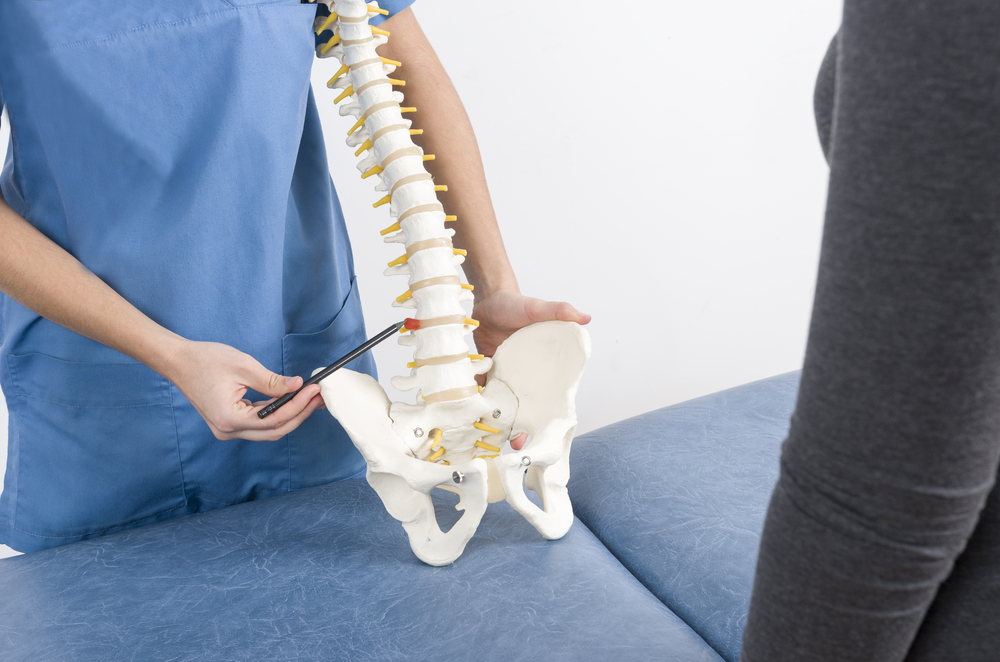
If you’re looking for quality physical therapy and chiropractic care, call us at 646-737-6524. Suffering a herniated disc often means having to deal with severe and constant pain. Unfortunately, this condition is not uncommon in America or even the rest of the world. In fact, 2 to 3% of the global population suffers from herniated disc pain. While you have several different treatment options to consider, one of your best options is physical therapy for herniated discs. At Quantum Physical Therapy & Chiropractic Care, our goal is to help patients achieve a better quality of life through quality chiropractic care and physical therapy in New York. We know that a herniated disc can cause a lot of pain and discomfort, so our physical therapists are passionate about crafting unique treatment plans that help patients find relief. First, What Is a Herniated Disc? To better understand the benefits of using physical therapy as herniated disc treatment, you need to know what exactly a herniated disc is. The disc is a cushiony cartilage that sits in between the bones in your spine. A herniated disc refers to when this cartilage tears, causing the gelatin-like substance of its core to leak. A herniated disc is typically the result of either trauma or gradual pressure over time. This ailment can affect anyone, but people between the ages of 30 and 50 are the most likely to suffer a herniated disc. In addition, it affects men twice as much as it does women. So What Does Physical Therapy Do for Herniated Discs? Physical therapists aim to help the body recover by taking a more wholesome approach to recovery. Rather than relying on painkillers, physical therapists use different therapy techniques to help improve your range of motion and overall quality of life. Herniated discs affect patients differently. While some feel extreme pain and discomfort, others feel numbness, tingling, or even weakened limbs. Meanwhile, around 50% of people with herniated discs don’t even know that they have a problem, according to Yale Medicine. Physical therapy for herniated discs uses exercises and other techniques to help patients find relief from these symptoms. With physical therapy, you could also experience better endurance, improved posture, and more natural pain management over time. How Long Does It Take to See Results? Just like how every patient experiences different symptoms, physical therapy affects everyone differently. But the good news is that physical therapy is highly effective for most patients suffering from herniated discs. Something important to remember about physical therapy for herniated discs is that it does not produce instant results. You need to visit your physical therapist regularly and consistently in order to achieve your desired relief. Fortunately, many patients start seeing a difference after just a few weeks. In one study, patients suffering from lumbar herniated discs started experiencing less pain and discomfort after just six weeks. What Are the Benefits of Physical Therapy Exercises for Herniated Discs? Should you undergo physical therapy for herniated disc? Physical therapy offers a long list of benefits for those suffering from herniated discs. These include: Reduced Pain and Swelling One of the main things that patients struggle with when they have a herniated disc is the inability to comfortably do what were once routine tasks. A physical therapist can help by examining your back and showing you differing movements and exercises that can help alleviate this discomfort. By modifying certain activities and following the advice of your chiropractor, you can give your body’s healing process a boost. Better Posture In some cases, having poor posture can lead to a herniated disc. With physical therapy, you can learn how to improve your posture, which puts less pressure on your cervical spine and gives your discs a chance to heal. Improved Range of Motion Physical therapists know what specific movements and exercises can help you improve your range of motion. They can even show you exercises to do at home, so you can achieve relief and recovery quicker. Learn More About What to Expect from Physical Therapy for Herniated Disc in Neck and Back Most people don’t think about their intervertebral discs until they start feeling constant back pain. When a disc becomes herniated or “slips” and starts causing serious discomfort, it’s essential to seek medical help and find an effective treatment. At Quantum Physical Therapy & Chiropractic Care, we know how frustrating it can be to deal with debilitating back pain. We pride ourselves on providing top-rated patient care for those suffering from herniated discs and various other conditions. Call us at 646-737-6524 to schedule an appointment. Our doctors accept most insurance plans, including workers’ compensation, no-fault, and PIP (personal injury protection). Same-day appointments may be available. Learn more about the signs you need physical therapy and when to schedule your appointment. FAQ Can You Prevent Future Pain from Herniated Discs? You can do a few things to help prevent herniated disc. For example, maintaining a healthy weight, not smoking, and maintaining strong, flexible muscles through regular exercise can help you avoid herniated disc in the future. Your physical therapist can also show you different exercises and movements to help prevent pain from reoccurring. What Are the Signs That You Have a Herniated Disc? Common signs of a herniated disc include neck, back, leg, or lower arm pain, limb weakness, numbness or tingling, and pain that is worse in the morning. If you suspect that you may have a herniated disc or experience any sort of consistent pain, contact your doctor as soon as possible. What Are the Risk Factors Associated with Herniated Disc? Some people are more likely to suffer herniated discs than others. For example, common risk factors include excess body weight, genetics, occupation, and smoking. What’s the Difference Between Passive and Active Physical Therapy? Physical therapy for herniated discs can include active and passive exercises. With passive exercises, the physical therapist performs manual exercises. Since these require the least amount of effort from you, you’ll likely start with these. When you get
Técnicas de fisioterapia para una rehabilitación eficaz tras un accidente de tráfico

Car accidents are terrifying and traumatic experiences. Aside from having to repair your car, you could suffer injuries that don’t present themselves until days or even weeks after your accident. In these cases, physical therapy may offer the best treatment option to avoid surgery and further medical care. Quantum Physical Therapy & Chiropractic Care, PLLC, offers top-rated physical therapy services in New York to address issues from car accidents. Whether you want to start engaging in car accident physical therapy or need to examine treatment options further, our professionals can help. Call today to schedule an initial consultation. Common Injuries From Car Accidents According to the National Highway Traffic Safety Administration (NHTSA), there were only about 1.35 deaths per 100 million car crashes in 2022. While this is a favorable statistic for fatalities, accidents that didn’t result in death may cause one of many potential injuries. The most common injuries from car accidents include: Headaches and migraines Back pain Neck pain Whiplash Knee pain Shoulder pain How Physical Therapy Can Help After a car crash, adrenaline may overshadow the onset of any injuries. However, you might notice a change in your physical well-being in the days and weeks after your crash. Physical therapists teach you exercises and routines to alleviate the pain from car accident injuries and expedite the healing process. Combining joint-preserving movements and soft tissue massage can increase your range of motion, reduce pain, and prevent long-term repercussions. Visiting a physical therapist after your car accident may help you take stock of your injuries and improve the healing process. Engaging in physical therapy might also help you avoid surgical solutions that could be financially and physically demanding. Benefits of Physical Therapy After a Car Accident So, how beneficial is physical therapy after a car accident? From pain reduction to improved quality of life, there are many reasons physical therapy after a car accident can drastically improve your healing. Exploring and understanding these benefits will help you seek the appropriate physical therapy in time to maximize your prospects of a full recovery. Decreases Recovery Time Car accident physical therapy can reduce your recovery time significantly. Because physical therapy addresses your pain symptoms, increases strength, and improves movement patterns, your body becomes primed for recovery. Avoid prolonged recovery by contacting a qualified physical therapist for treatment right after your car accident. Prevents Long-Term Injuries and Damage According to a study by Hu et al., 21.5% of motor vehicle collision victims expressed widespread chronic pain over a year after their accident. These figures demonstrate the high potential for developing chronic injuries after a crash. Car accident physical therapy addresses potential chronic injuries before they become major problems. By engaging in physical therapy in the weeks following your accident, you help avoid chronic issues that could cost you tons in treatment. Take charge of your healing by calling physical therapists immediately after your accident. Avoids Expensive and Dangerous Surgical Solutions The CDC notes that about 10.7 of every 1000 persons who experience a car crash must visit the emergency room. While some severe injuries from car accidents might land you on the operating table, you can usually avoid these outcomes by engaging in physical therapy. Improves Pain and Quality of Life Ultimately, physical therapy practices aim to reduce pain and improve quality of life. By shortening recovery time, reducing your chances of developing chronic injuries, and avoiding surgeries, you can get back to focusing on living your life to the fullest. Best Recovery Practices After a Car Accident Besides seeking a physical therapist for treatment solutions, you can make some lifestyle changes to improve your recovery, including the following: Regularly practicing the therapeutic exercises your physical therapist teaches you Icing and heating your injuries Engaging in low-impact aerobic exercise Eating healthy and drinking plenty of water Resting more than usual FAQs About Car Accident Physical Therapy Below are some frequently asked questions about seeking physical therapy after a car accident. Why Does Physical Therapy After a Car Accident Help? Physical therapy after a car accident can help you recover in many ways. The physical exercises and routines therapists teach patients provide holistic benefits for common injuries from car accidents. These benefits include reduced recovery time, improved range of motion, long-term injury prevention, reduced pain, and improved quality of life. How Long Should I Go to Physical Therapy After a Car Accident? The amount of time you spend in physical therapy after a car accident differs depending on the severity of your injuries. You should go to physical therapy until you notice significant improvement or no longer feel pain. Does Physical Therapy Shorten Recovery Times? Yes, physical therapy can shorten your recovery time from car accident injuries. In many cases, neck, joint, back, and soft tissue pain have the best chance of healing if patients seek treatment as soon as possible. Starting physical therapy as a preventative measure after your accident reduces your recovery period and increases the likelihood of a full recovery. How Do I Know Whether I Should See a Physical Therapist After a Car Accident? Seeing a physical therapist as a precaution after a car accident is always a good idea. Since you might not feel car accident injuries right after they occur, getting examined by a professional is an excellent idea. Hire Top-Rated Physical Therapists for Car Accident Rehabilitation From Quantum Physical Therapy & Chiropractic Care, PLLC Choosing physical therapy for pain management can help you avoid costly surgical solutions. Professionals with Quantum Physical Therapy & Chiropractic Care, PLLC, offer high-quality physical therapy across five locations in New York. We create personalized treatment plans for each patient to attack your specific issues. Our doctors accept most insurance plans, including workers’ compensation, no-fault, and PIP (personal injury protection). Same-day appointments may be available. For more information about effective car accident physical therapy, call any of our numbers and request a service consultation with a physical therapist at Quantum Physical Therapy & Chiropractic Care, PLLC.